1990s
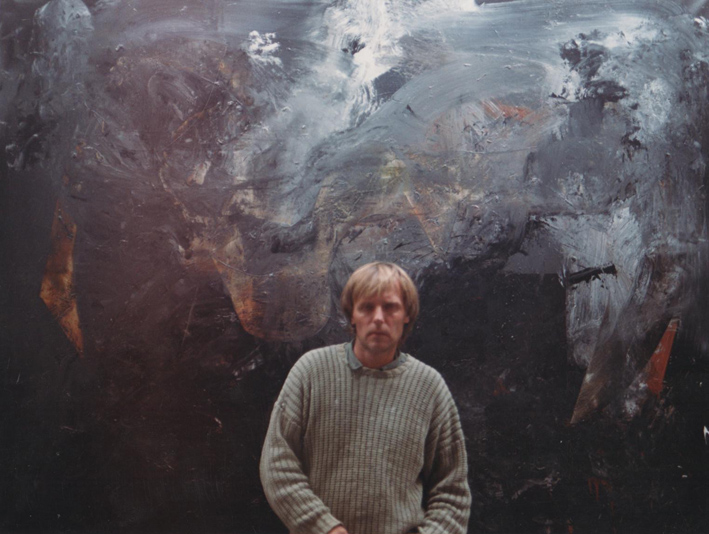
A dream within a dream. 1991.
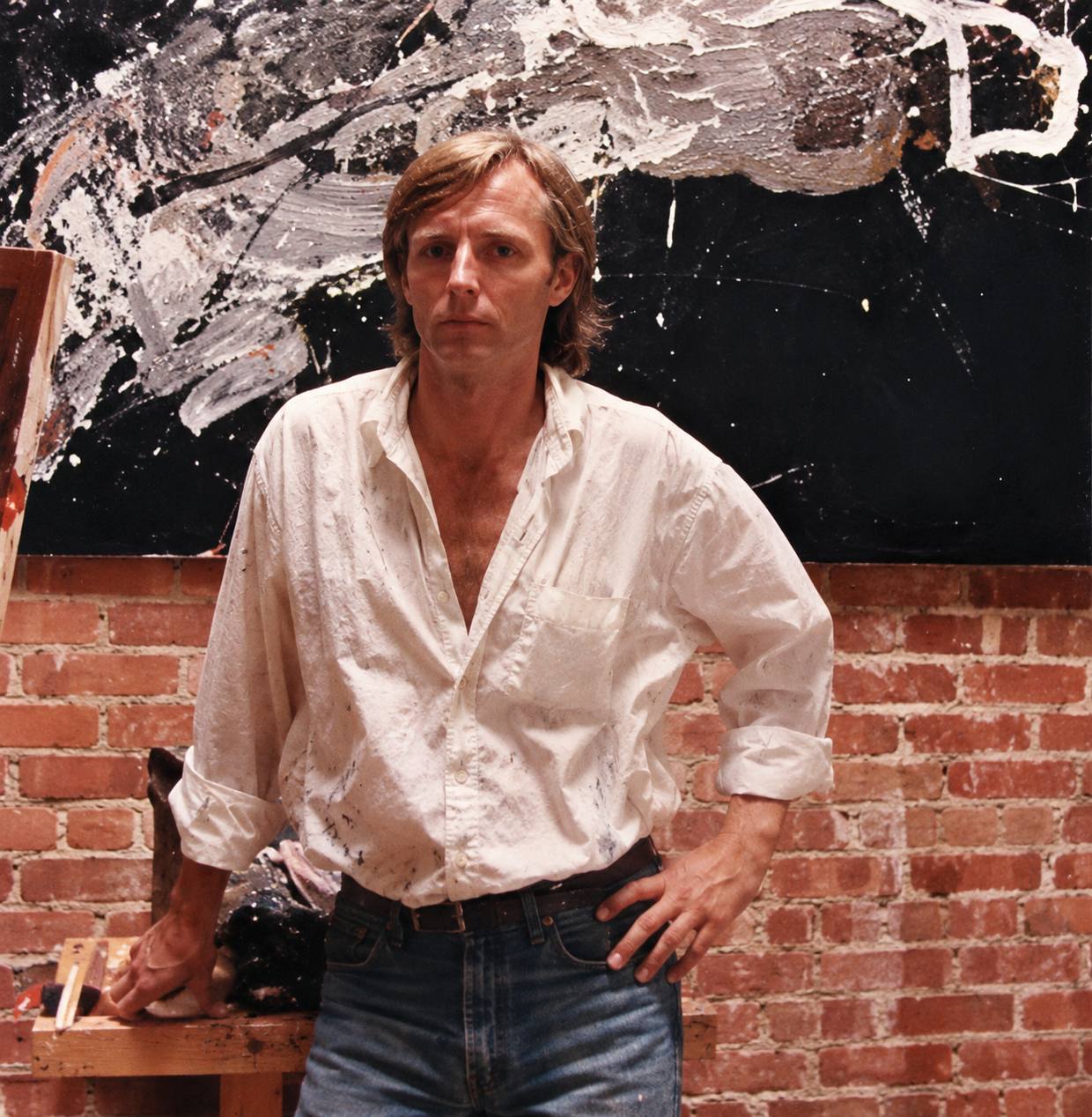
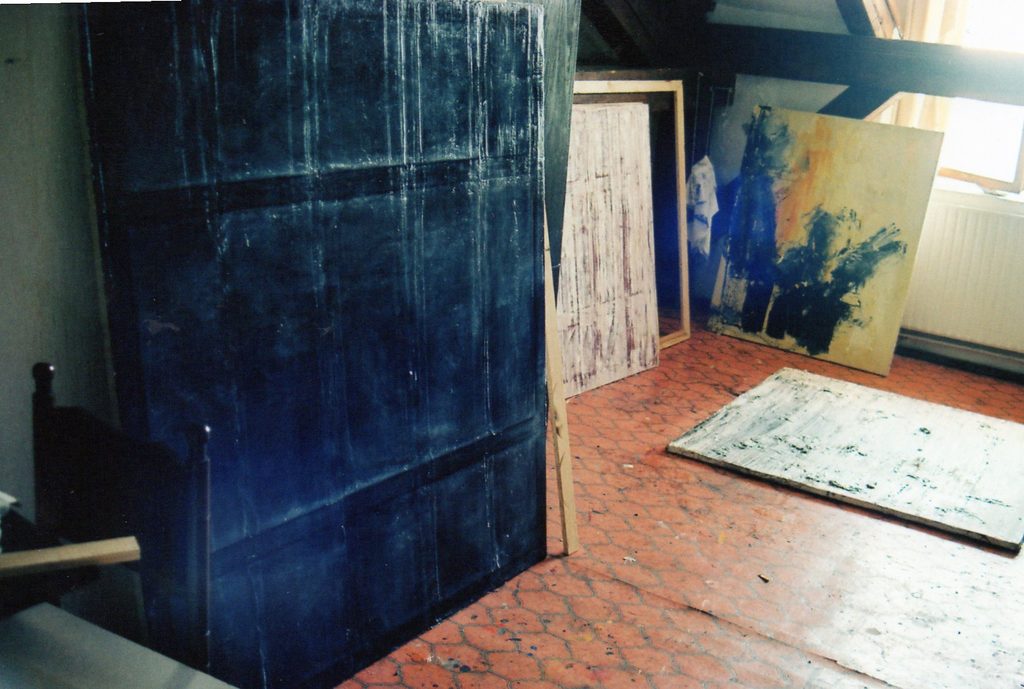
Torrox. Oil on linen. 230 x 175 cm. Painted in the first part of the studio I constructed in the mountains above Nerja, in “El Pago de Meli”, Torrox.
Click on any painting to see the complete work at a larger size.
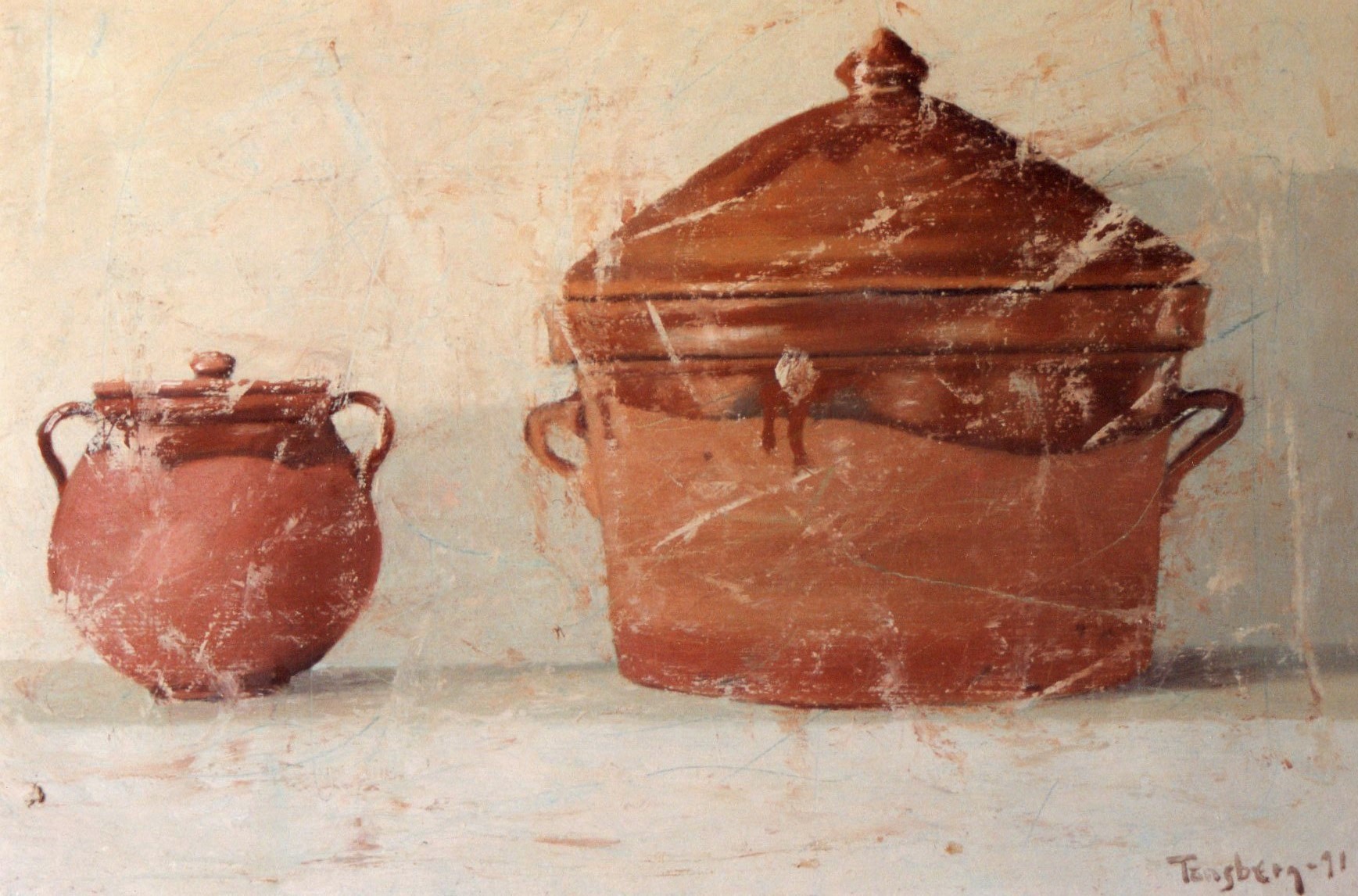
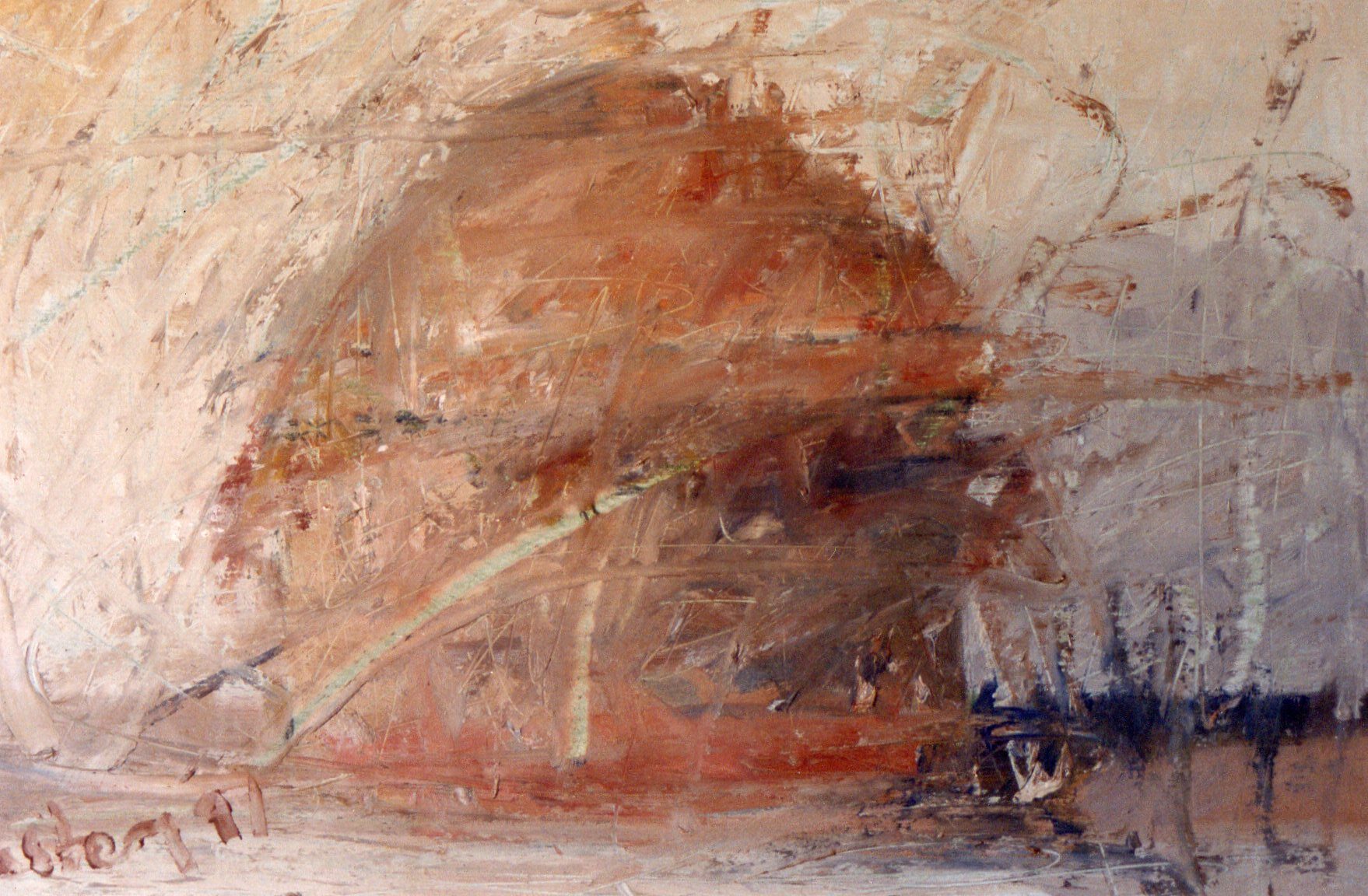
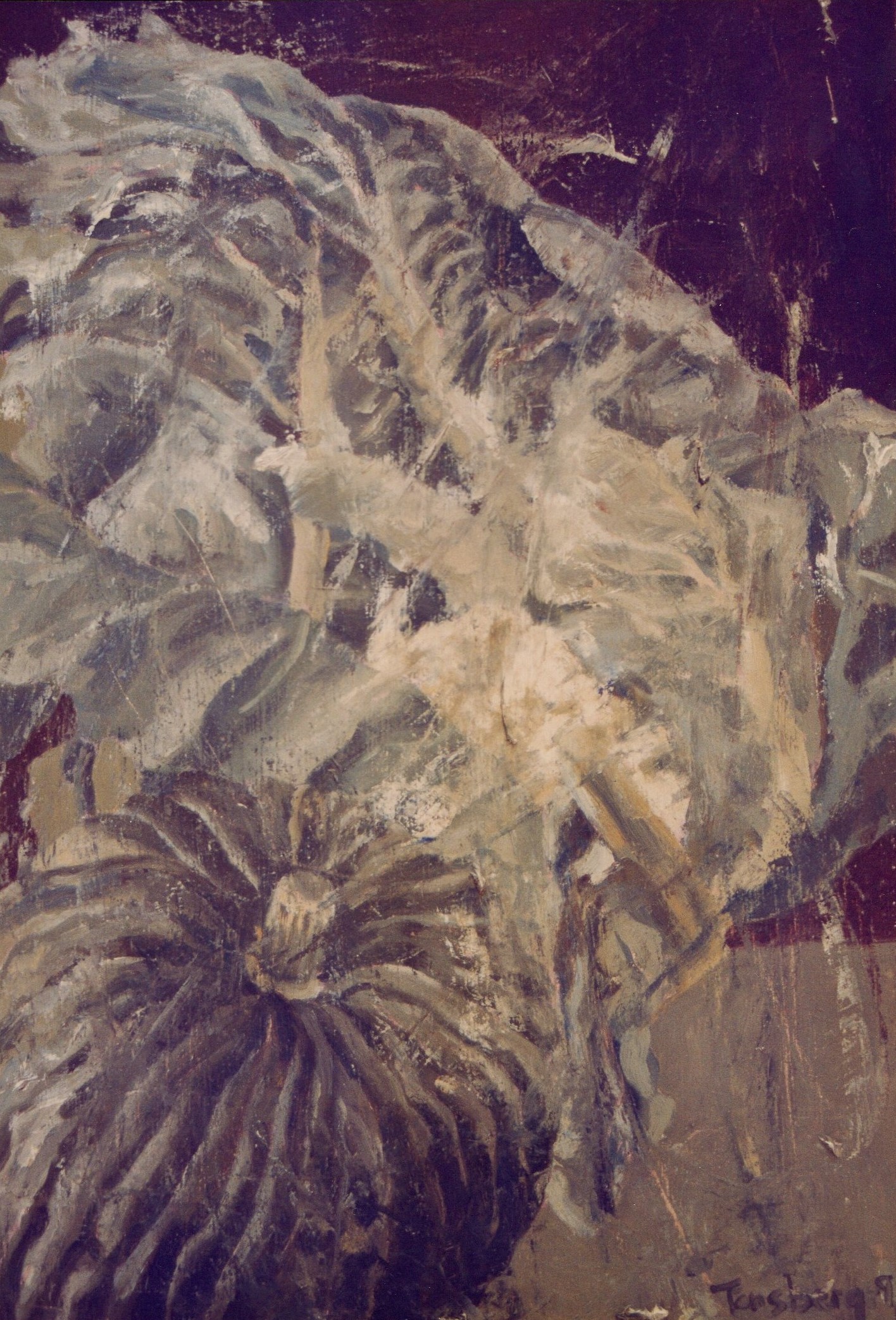
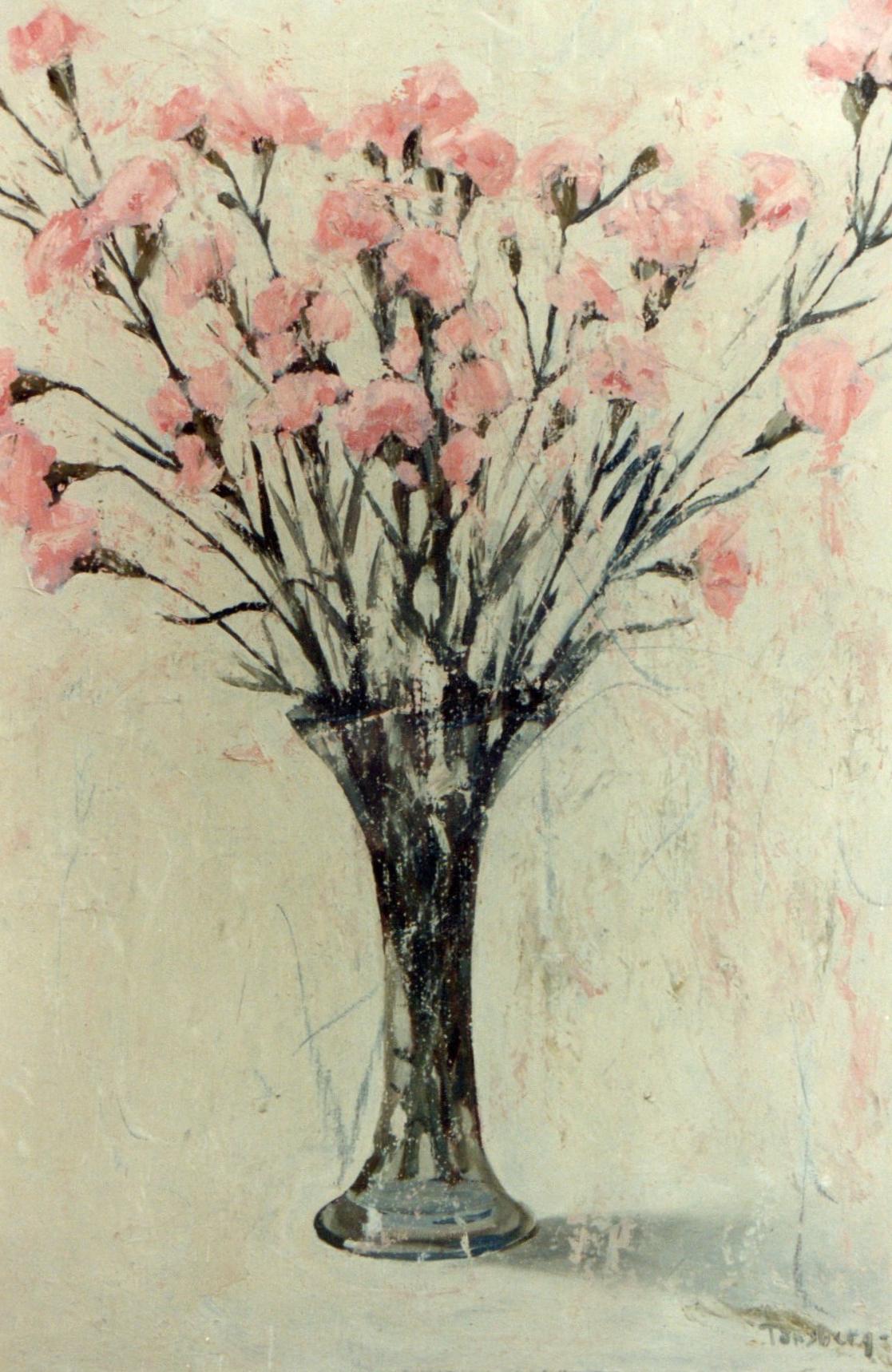
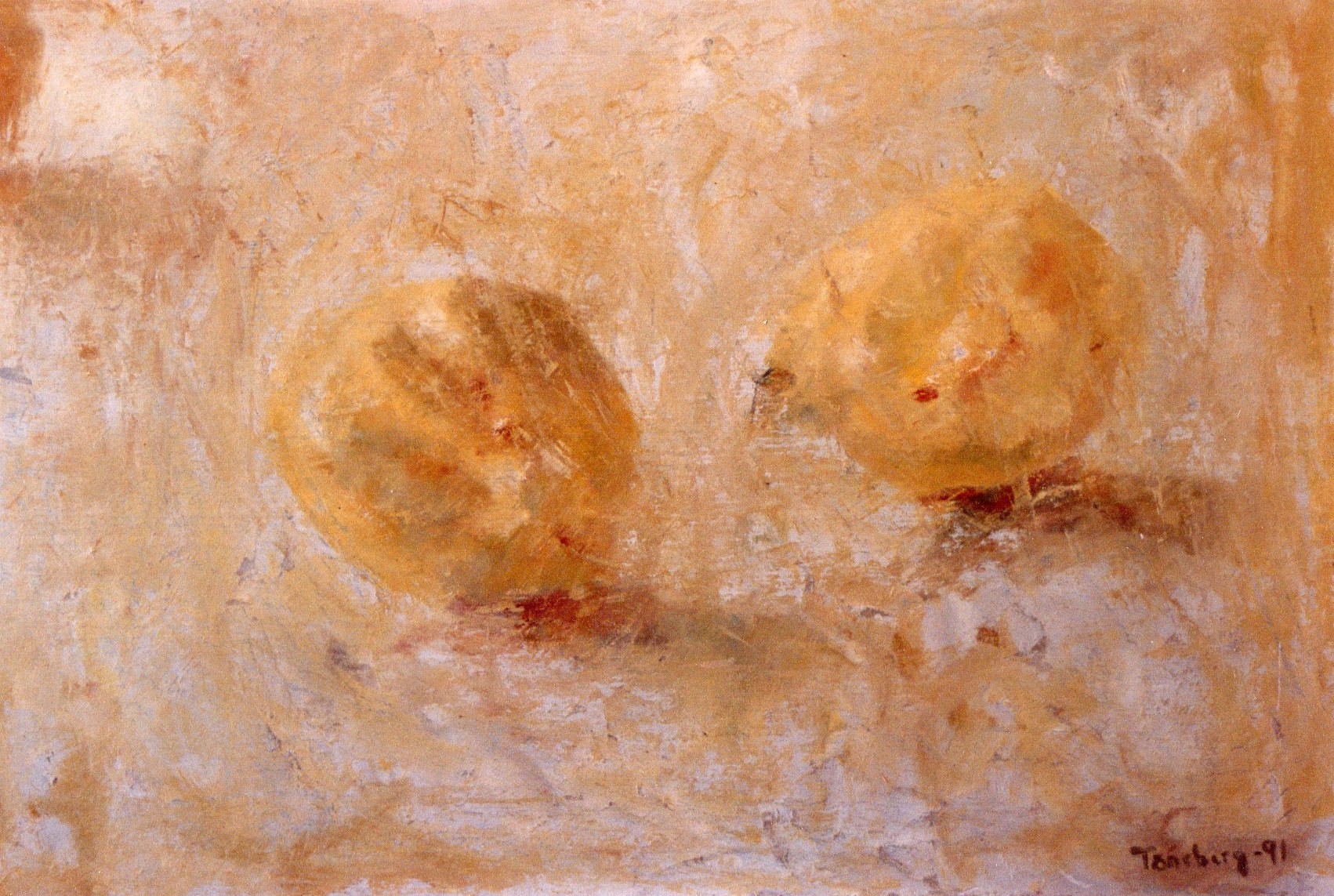
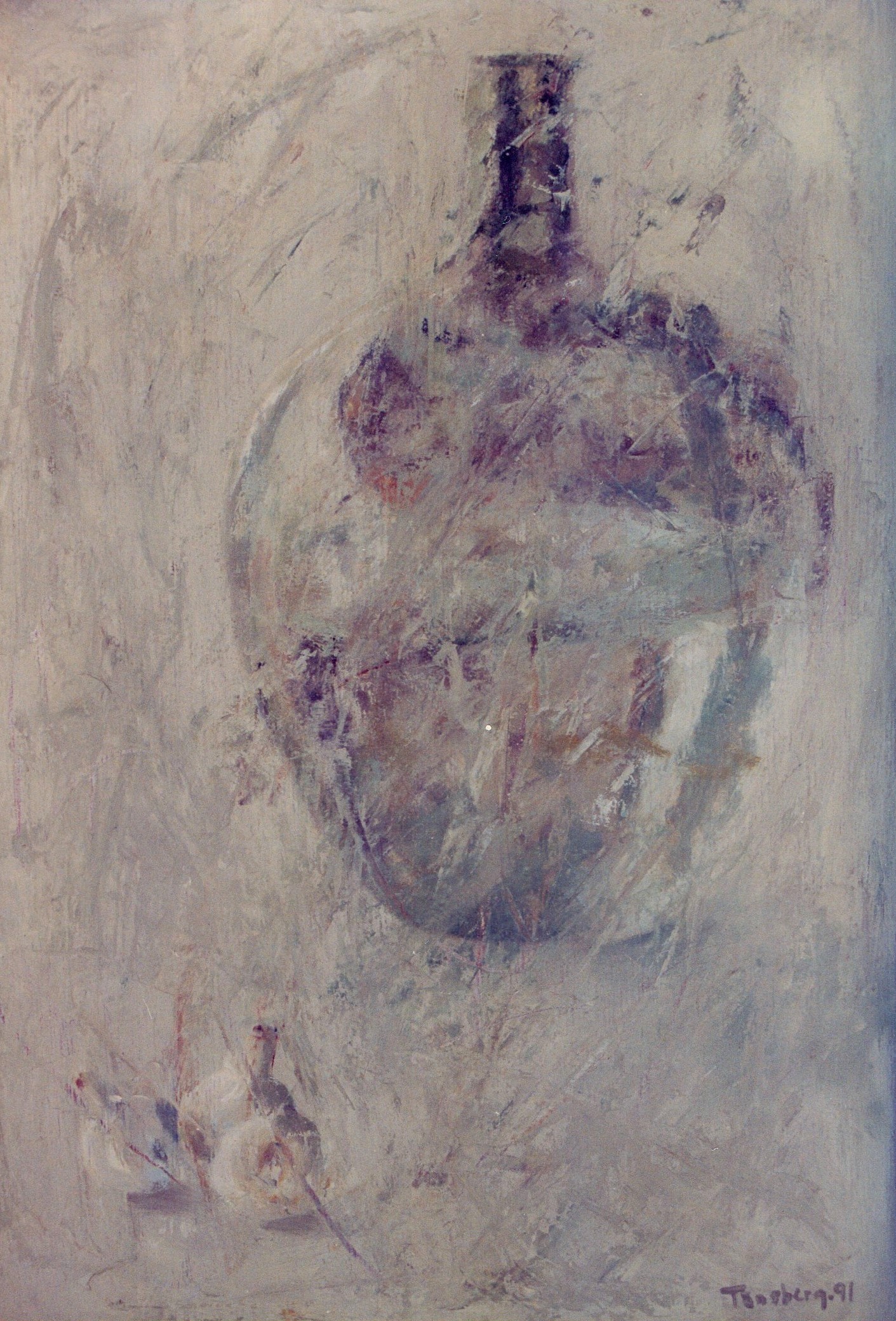
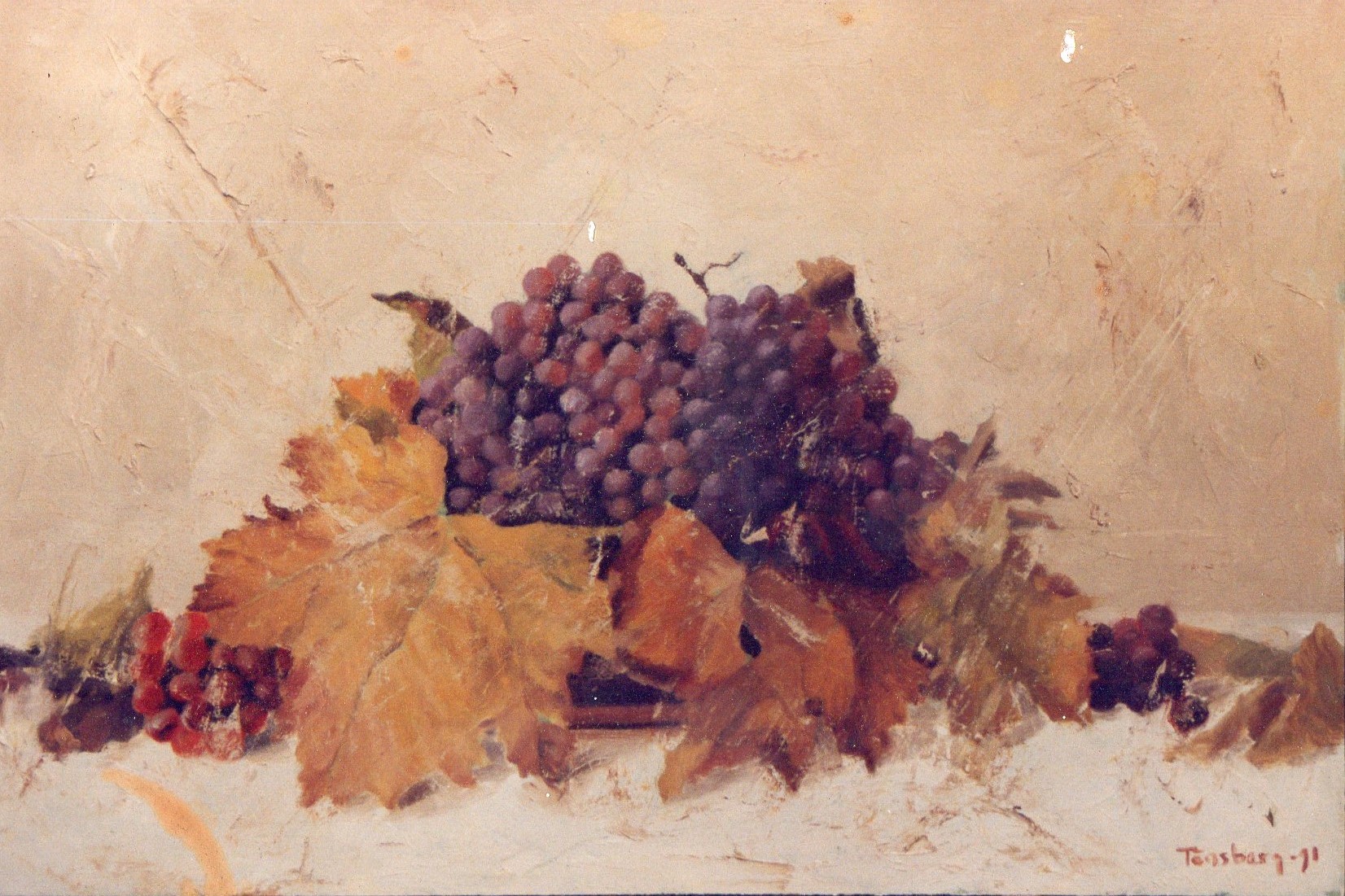
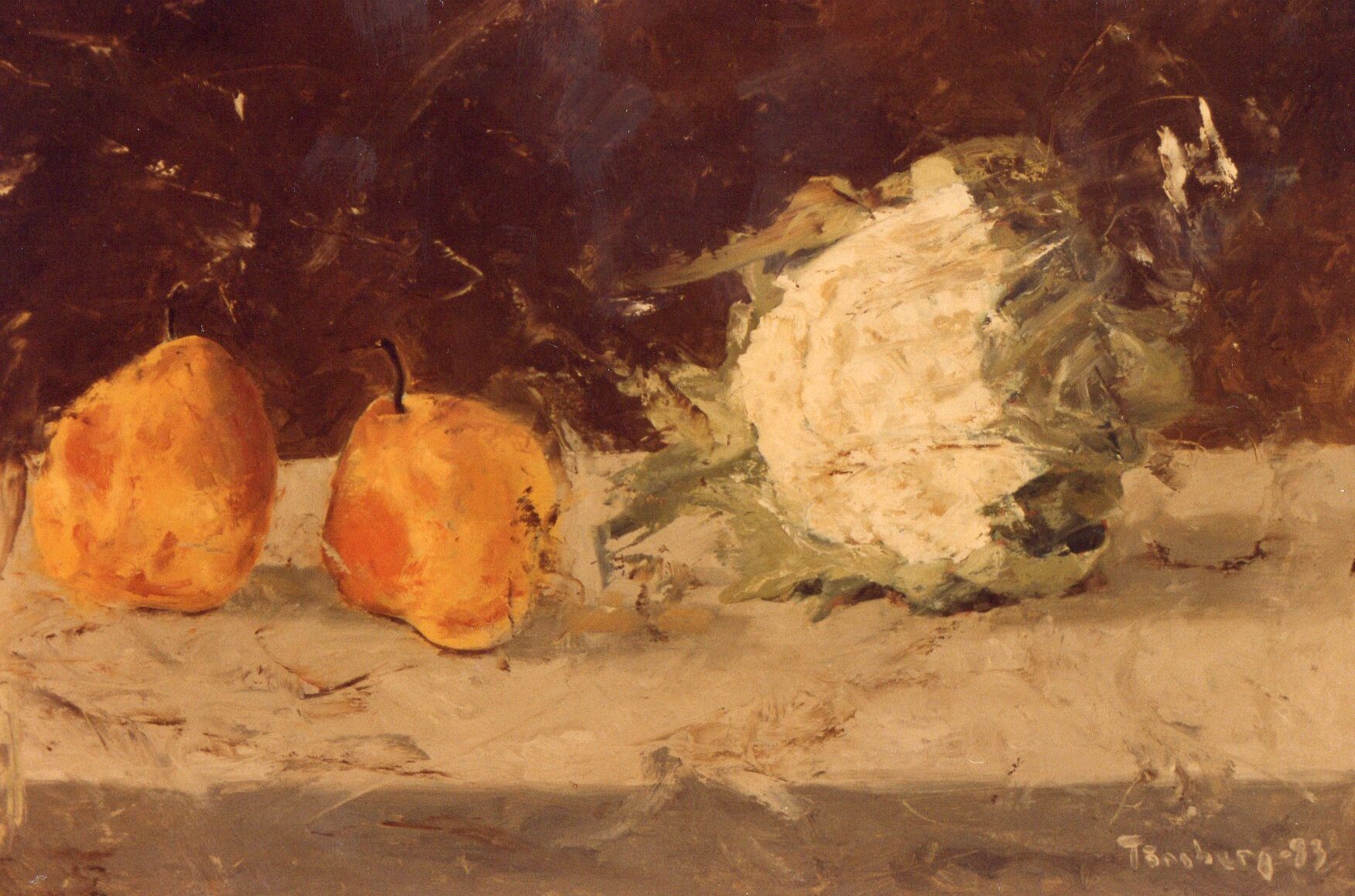
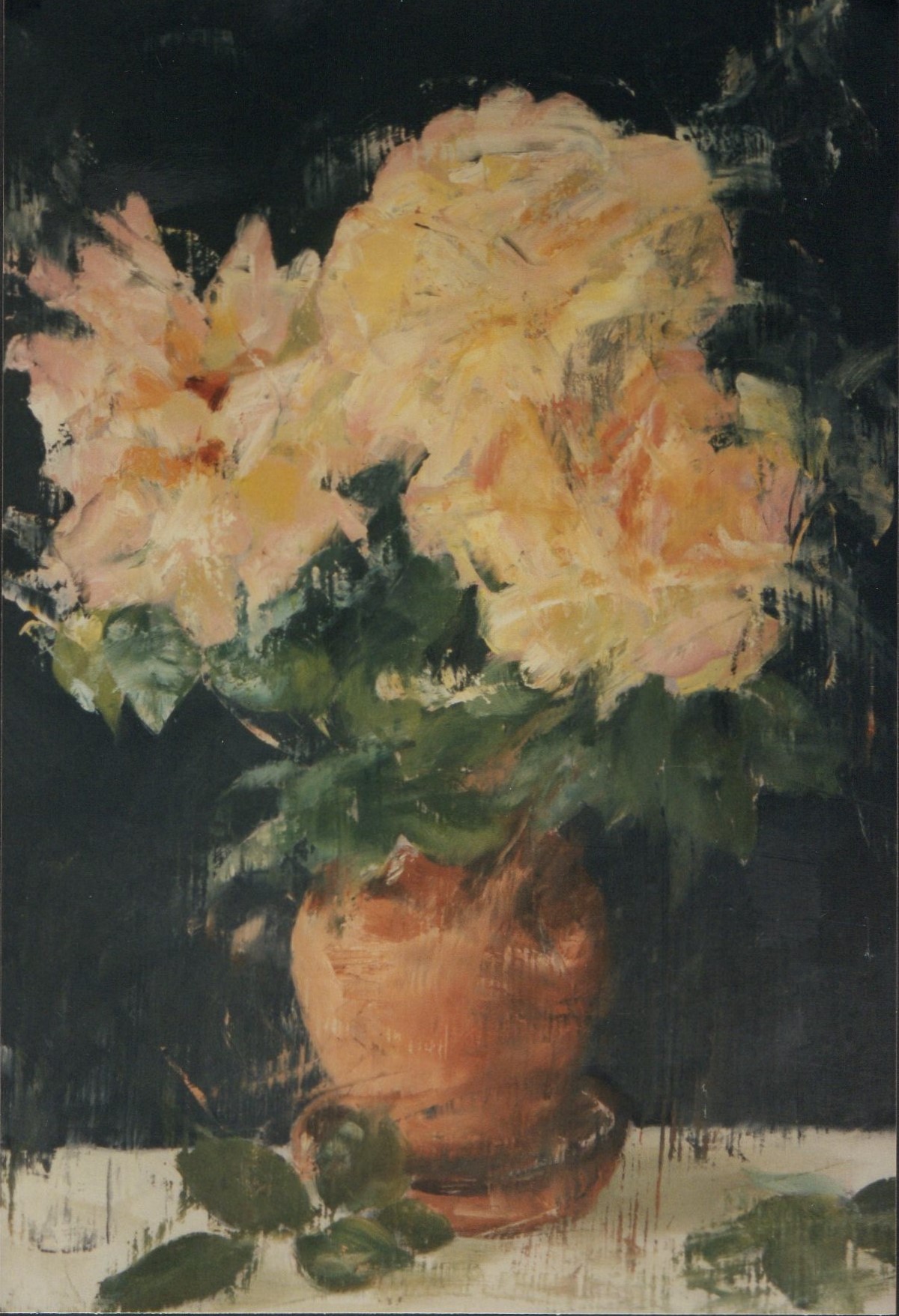
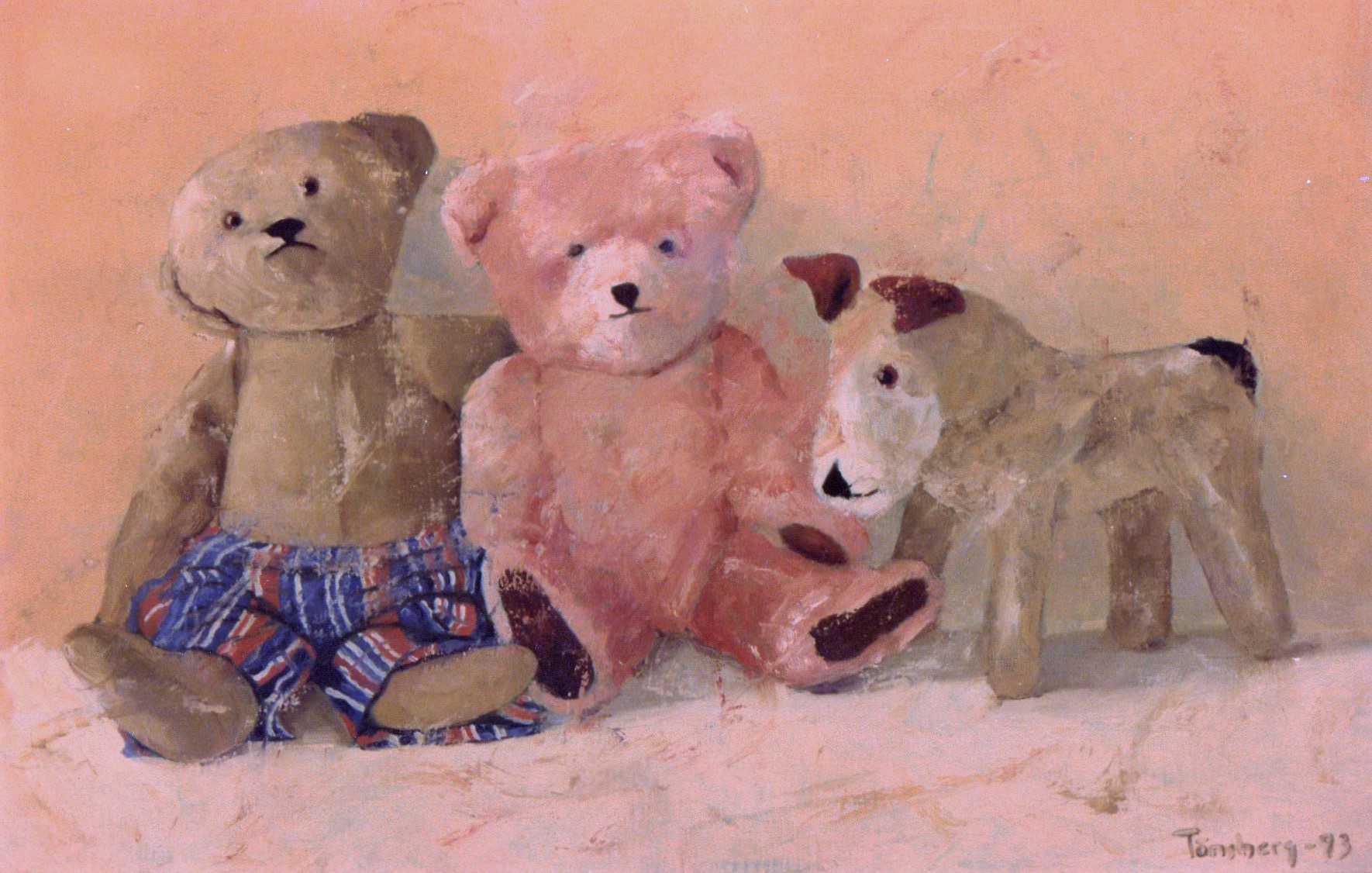
Still Lifes. 1991–1993
Following A Dream Within a Dream, I turned to a series of smaller paintings of familiar objects: earthenware pots, fruit, vegetables, flowers and childhood toys.
Working on a more intimate scale, I explored the relationship between representation and the physical surface of painting. Objects emerged through layers of colour, scraping and repeated reworking of the paint, sometimes almost disappearing into abstraction.
Among these works was a painting of my childhood teddy bears.
At some point, I had decided that I was too grown-up to keep them. I took them to an industrial waste site and threw them into an empty metal container.
I can still hear the sound they made when they hit the bottom. I can still see those small animals, which had given me so much love during my childhood, lying defenceless in that vast space of dirty metal, waiting for all the rubbish that would eventually be dumped on top of them.
Even now, I shudder with shame at the memory.
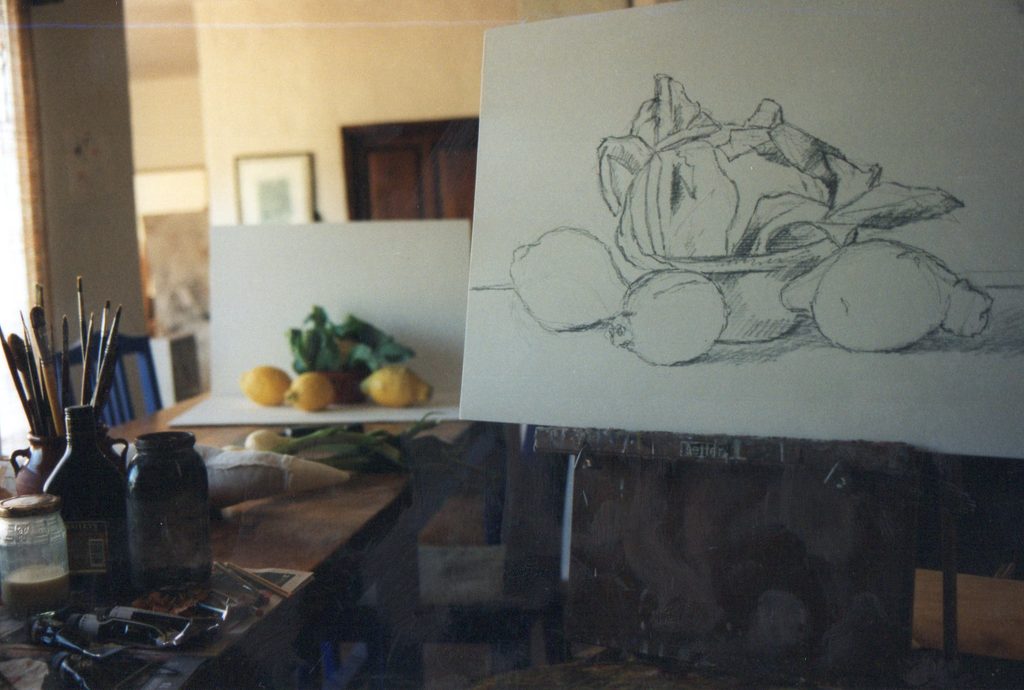
Working on a still-life. Torrox.
New York. 1992
During a short stay in New York, I worked at Mária Reilly’s place on West 103rd Street, where I painted three medium-sized works.
I approached several galleries, but none showed an interest in my paintings. I intended to return to New York, but then my father died, and my life changed.
Click on any painting to see the complete work at a larger size.
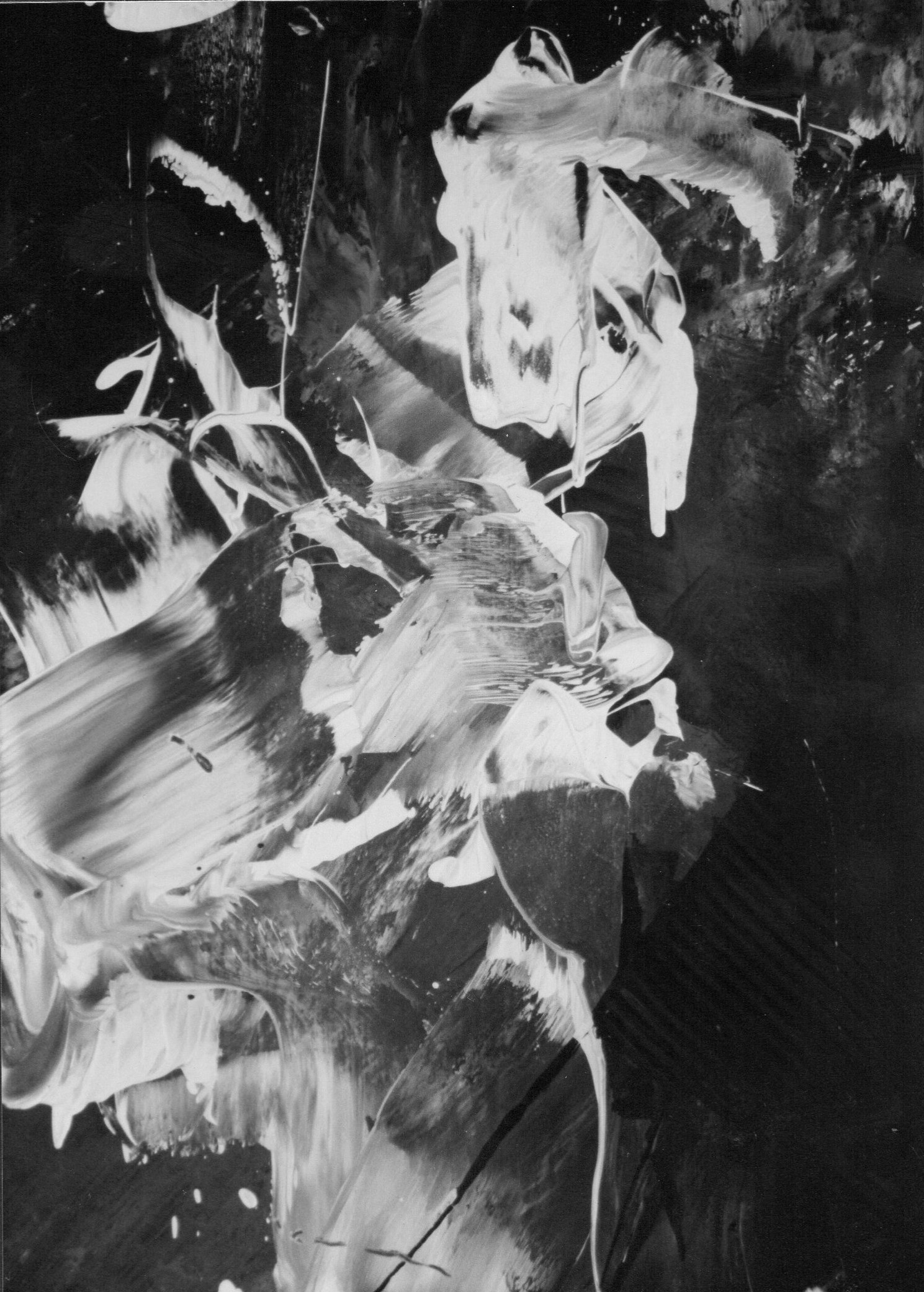
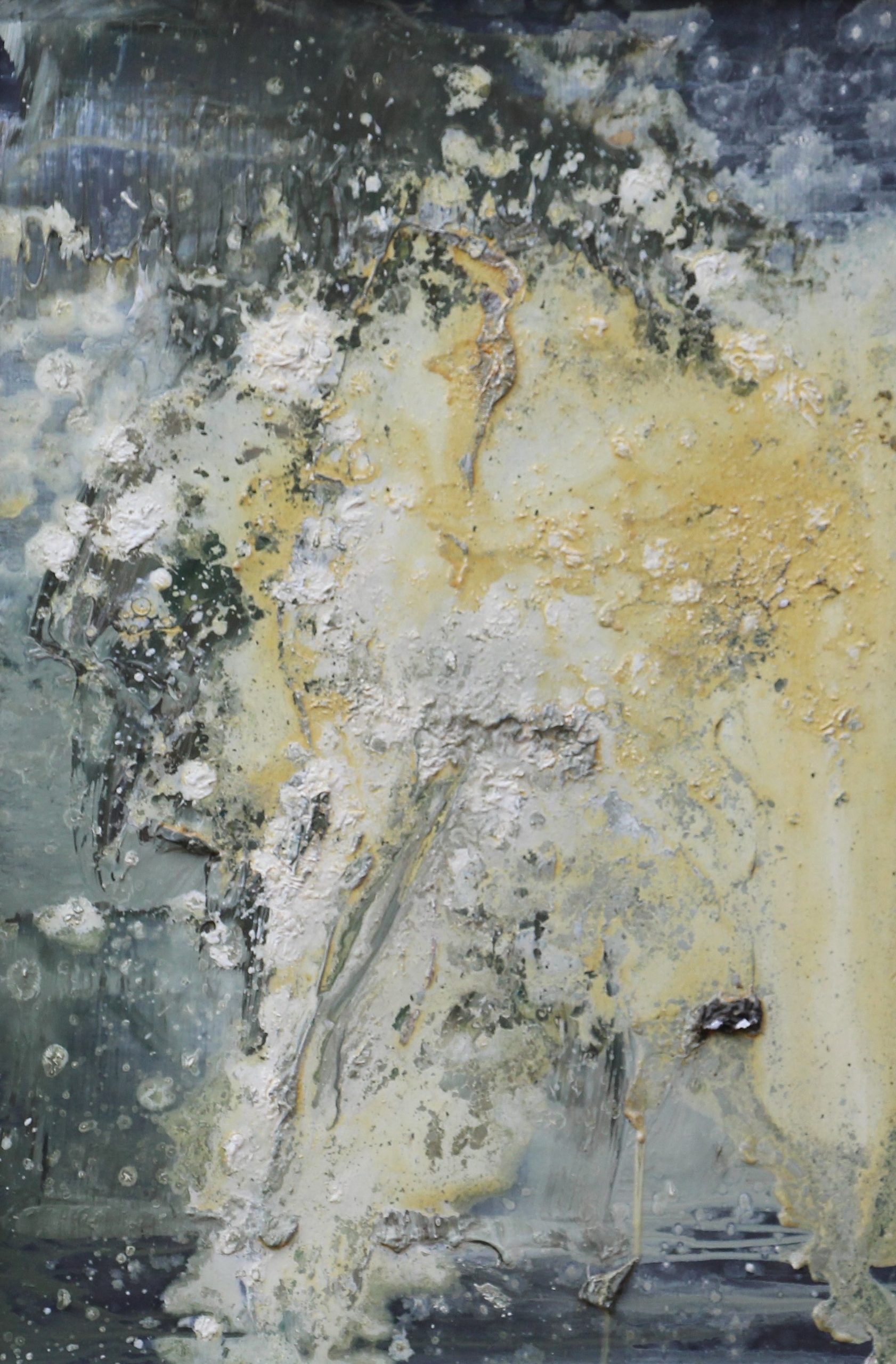
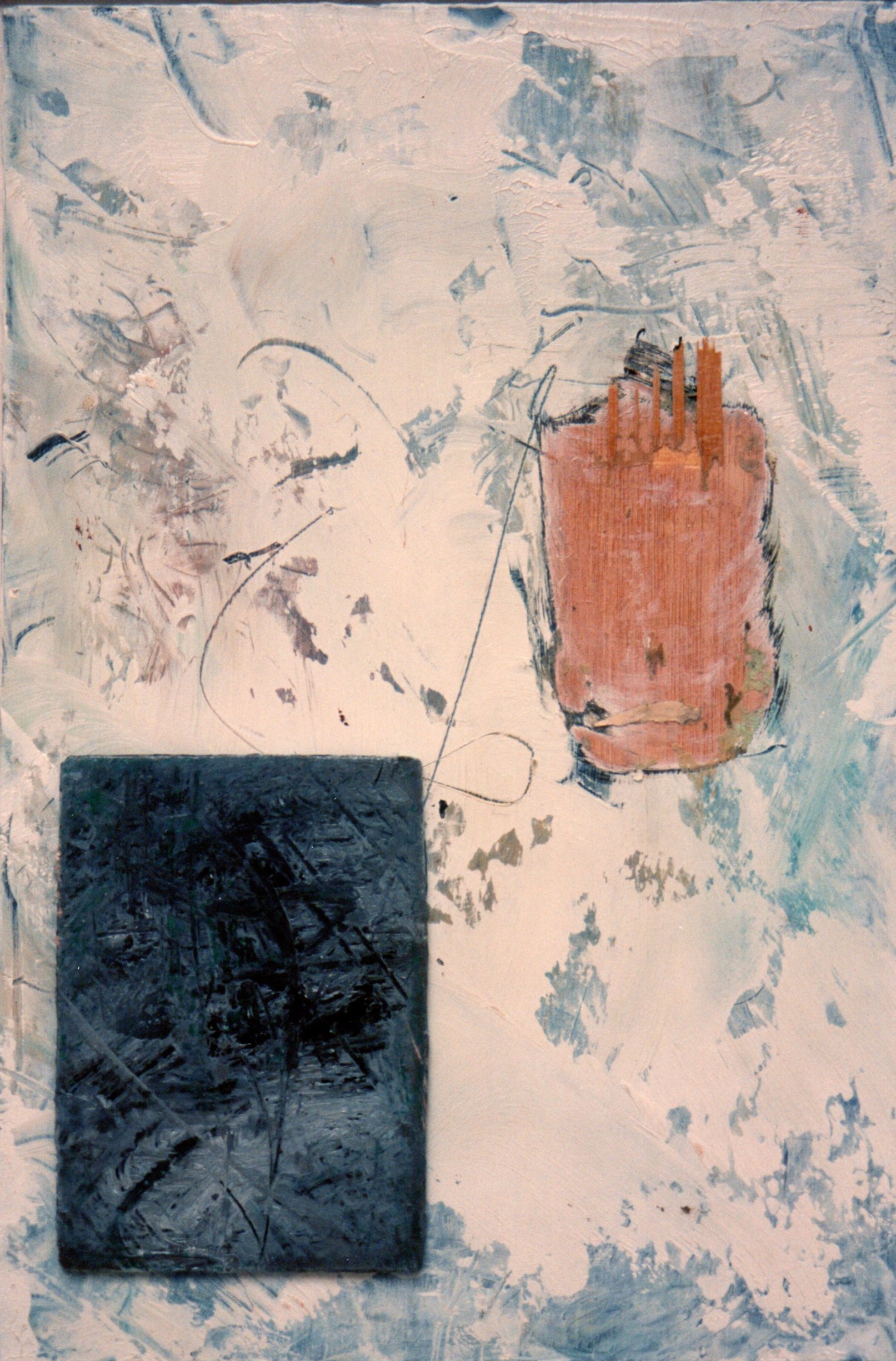
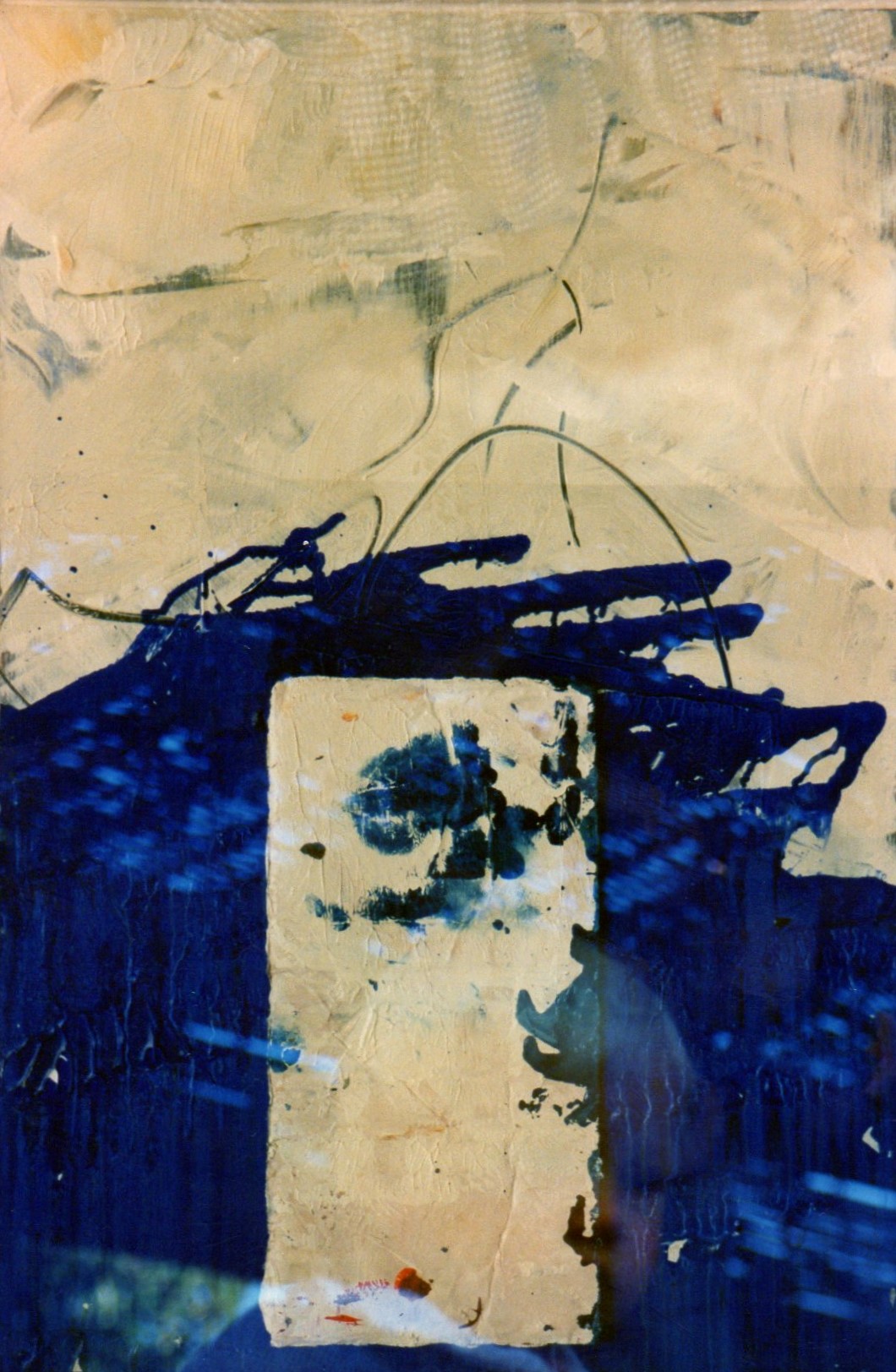
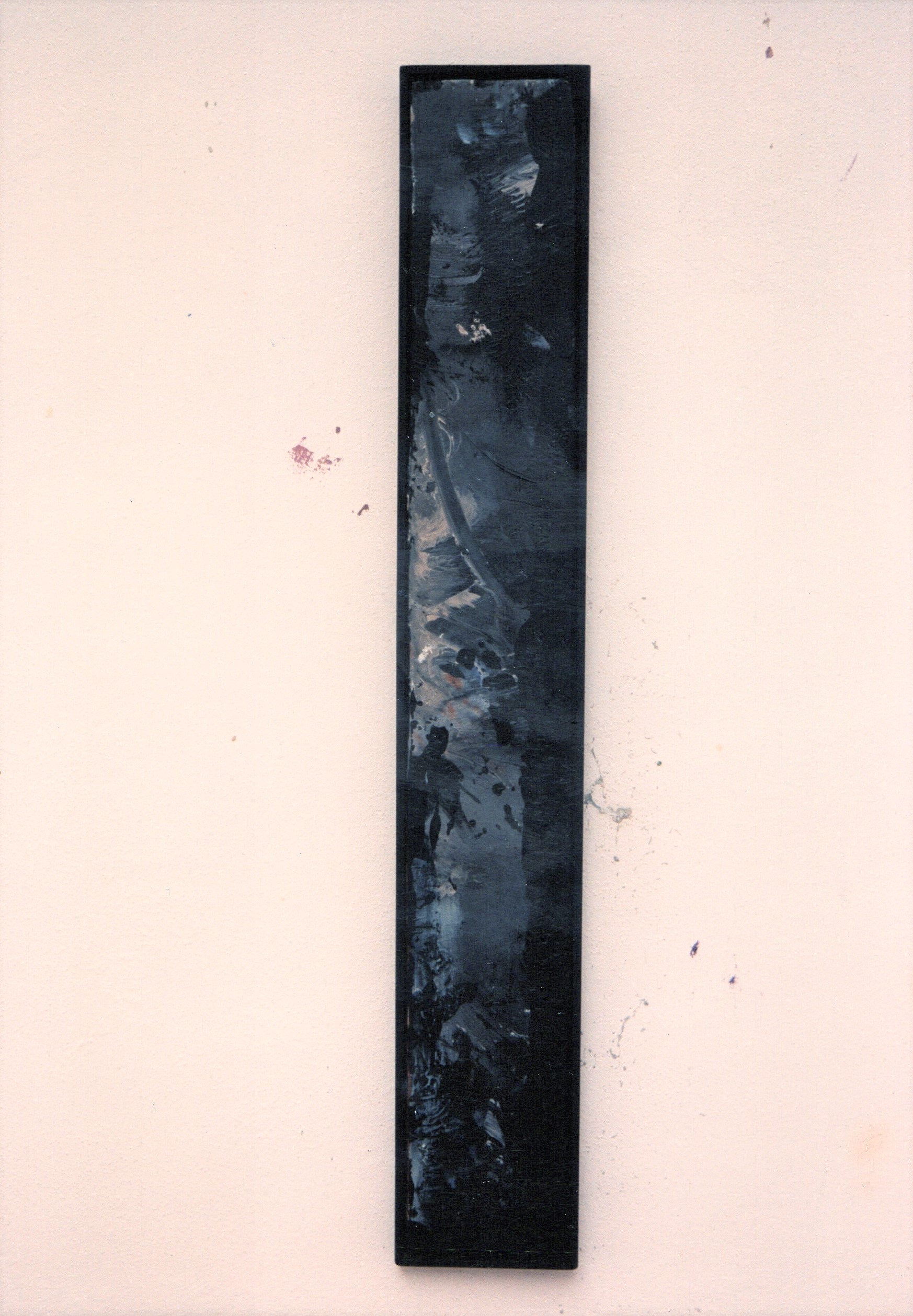
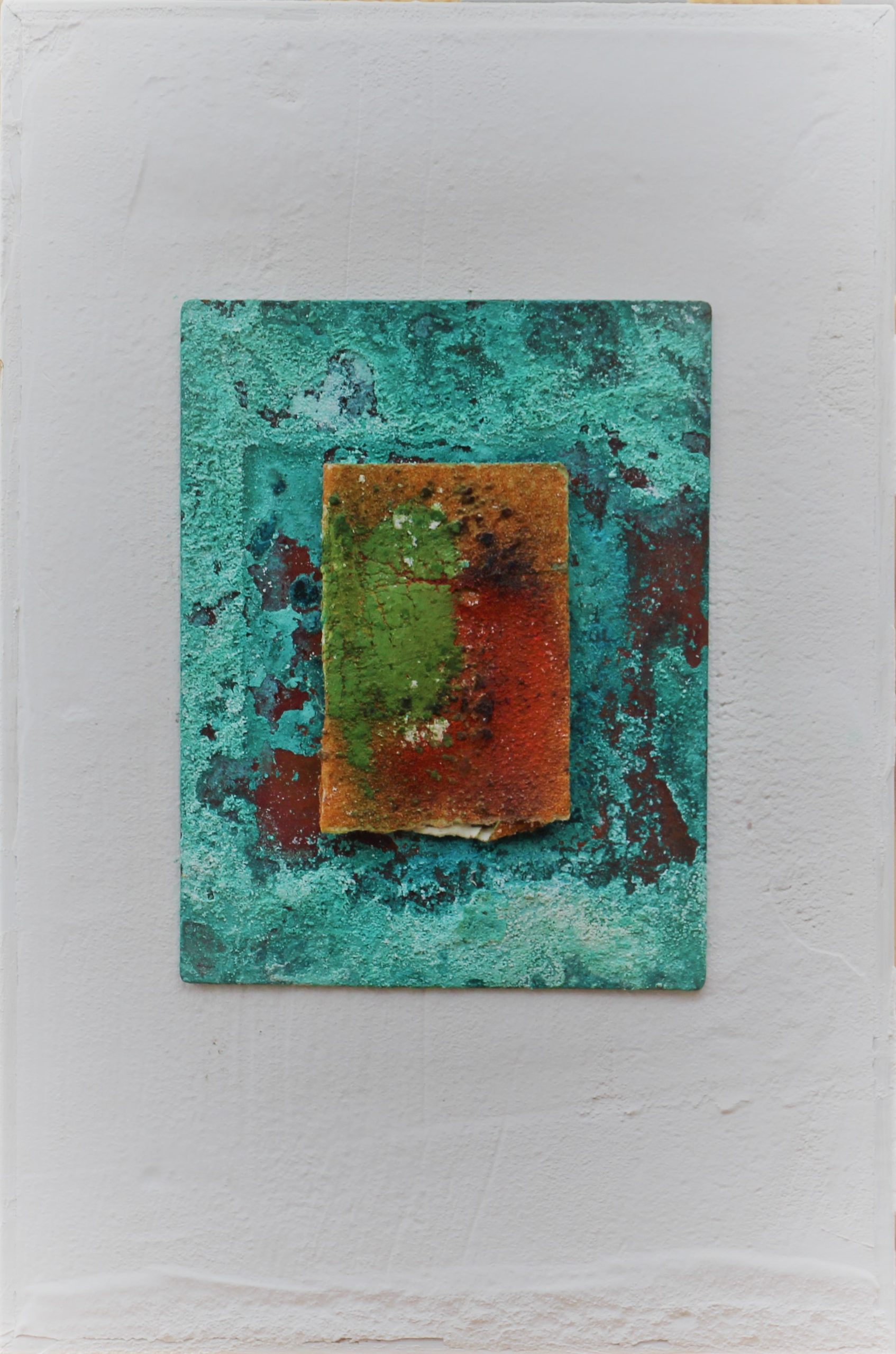
Small Abstract Works. 1991–1992
Torrox, Spain.
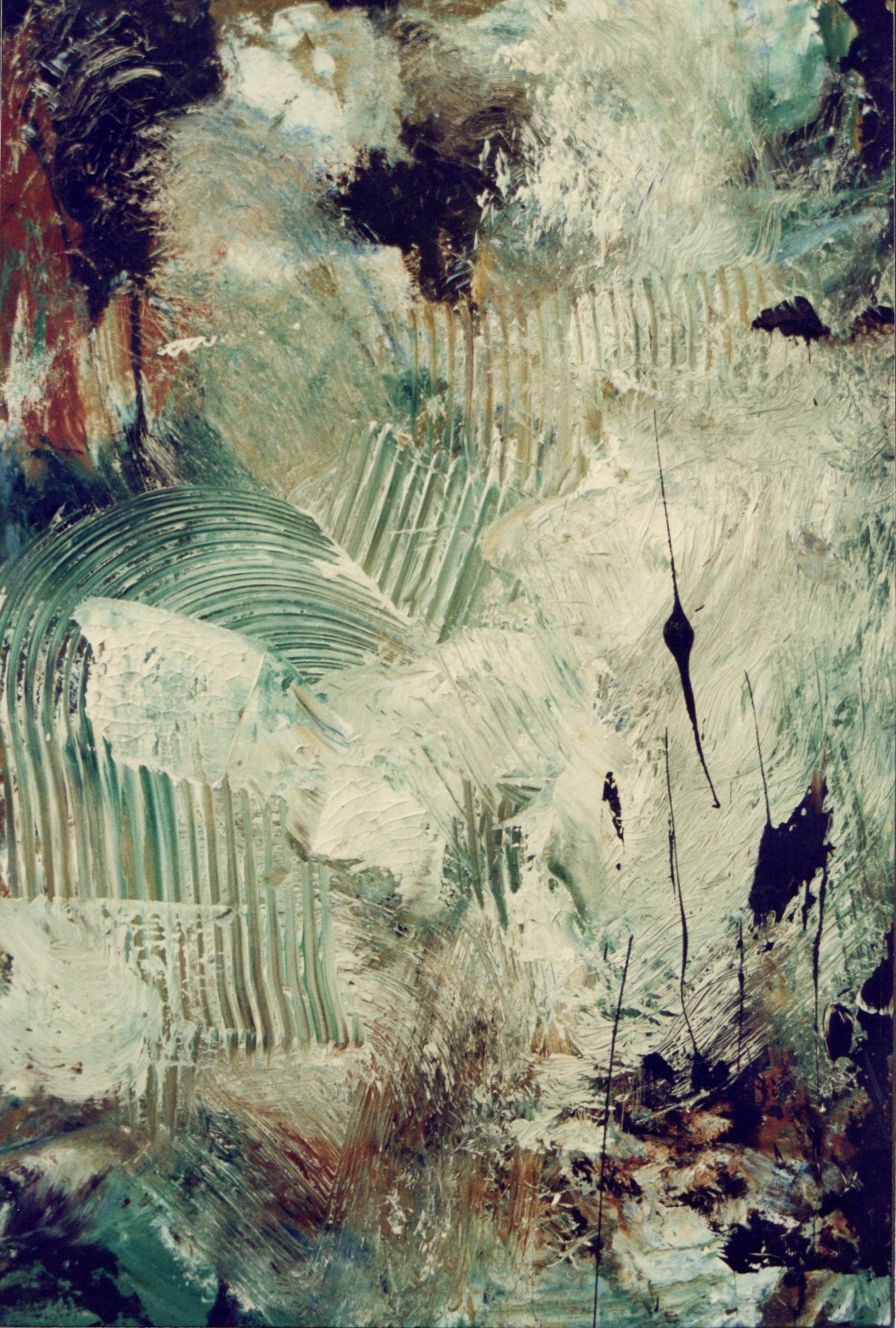
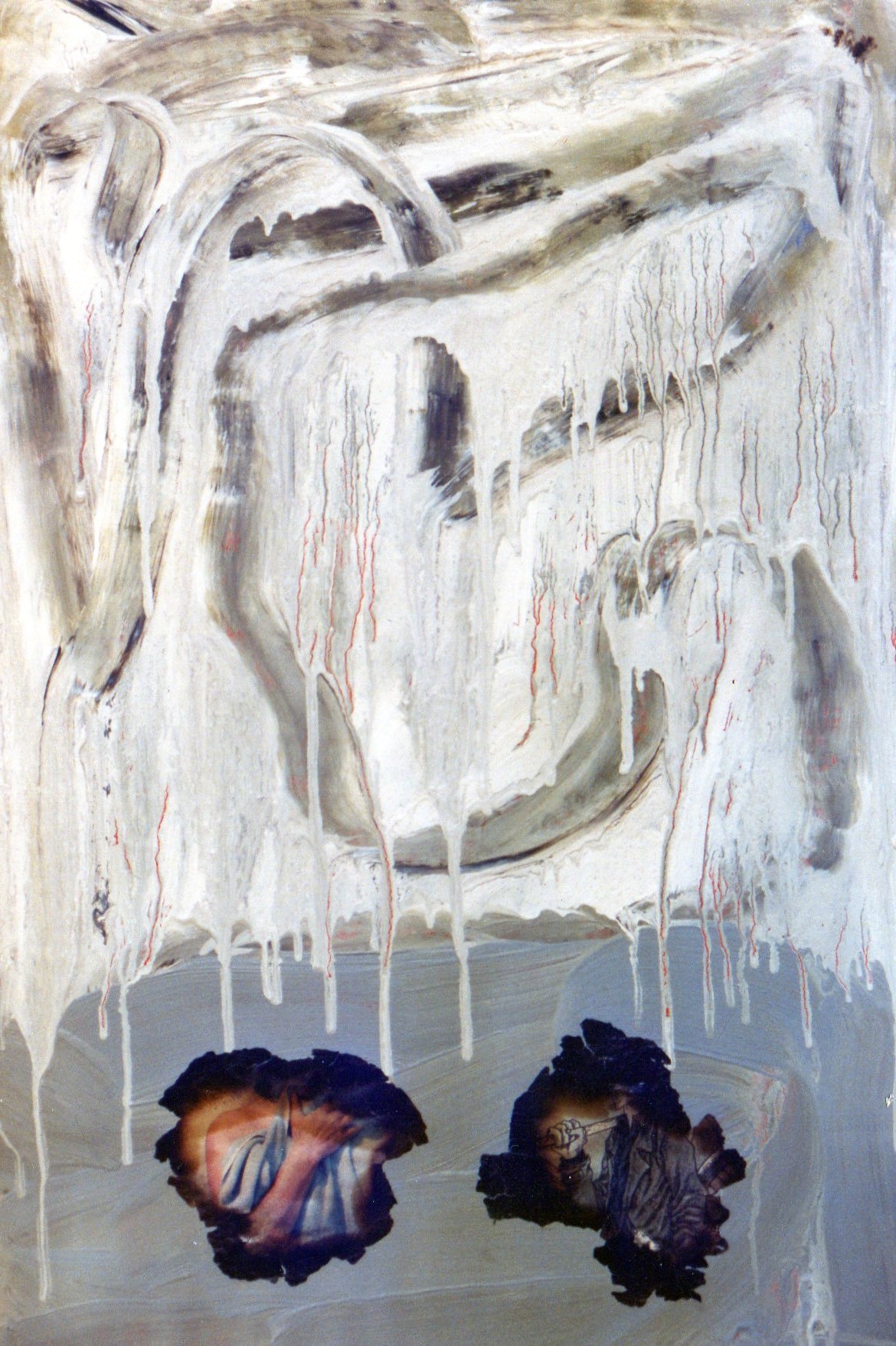
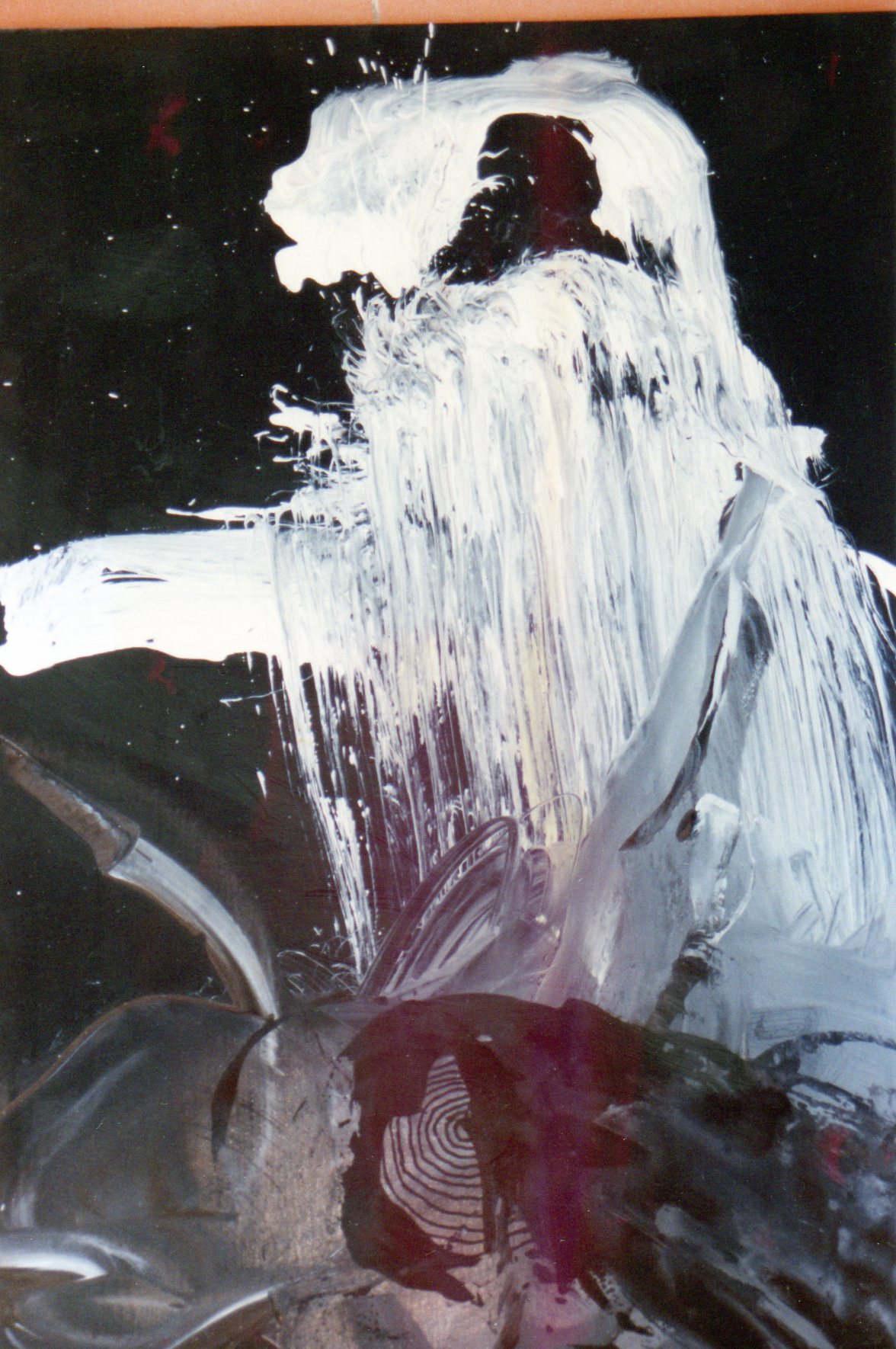
Alongside the larger paintings, I produced numerous smaller abstract works during these years, experimenting with different materials, textures and ways of applying paint.
Oil paint was sometimes combined with wood, copper, sandpaper or fragments of burnt paper. Surfaces were built up, scraped, scratched and worked over, allowing the materials themselves to become part of the composition.
Some paintings developed through spontaneous gestures, while others explored the relationship between small, concentrated forms and the surrounding painted surface.
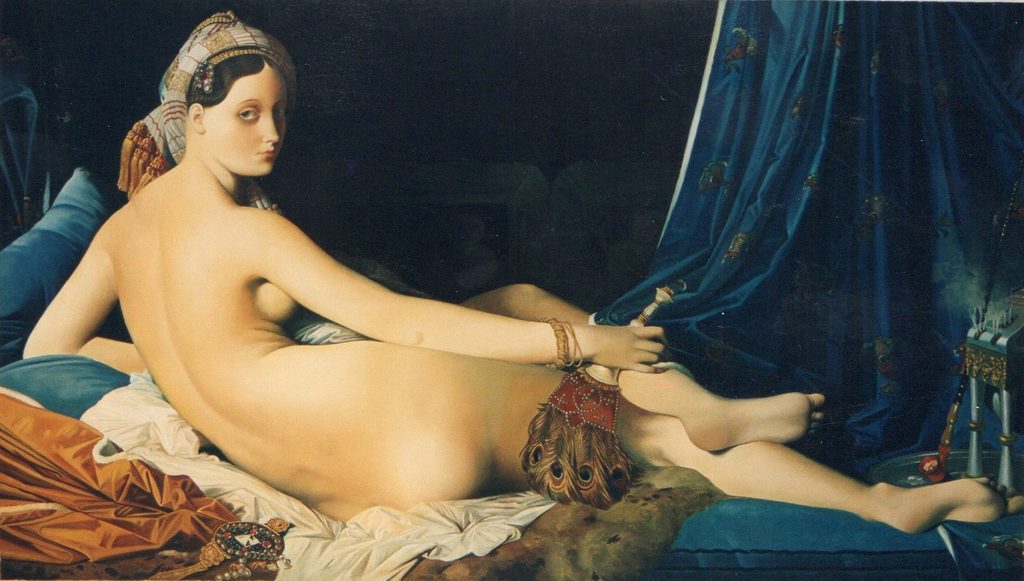
La Grande Odalisque. 1986–1993
Nerja, Spain.
After Jean-Auguste-Dominique Ingres.
Oil on canvas, 89 × 163 cm.
A copy of Ingres’s celebrated La Grande Odalisque (1814), begun in 1986 and completed in 1993.
I returned to the painting intermittently over these seven years, alongside my other work. It presented a challenge entirely different from my abstract paintings: reproducing the extraordinary precision of Ingres’s drawing, the subtle modelling of the human body, the delicate transitions of flesh tones and the rich textures of fabric and ornament.
It was an exercise in observation, patience and the discipline of painting, carried out over a period in which my own work was moving in very different directions.
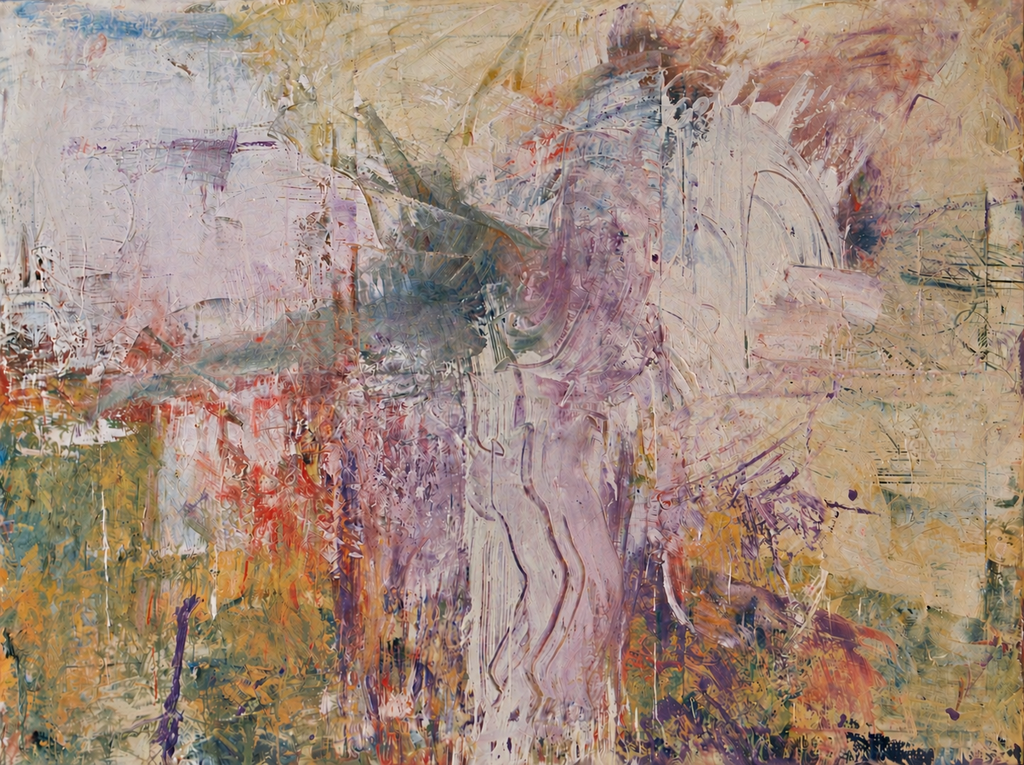
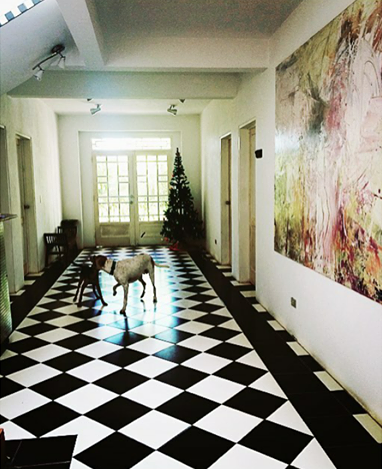
Angel Dust. 1984
Torrox. Oil on linen. 175 × 230 cm
Angel Dust began its life in Barcelona, in the home of its Spanish owners. When they moved to Costa Rica, the painting accompanied them across the Atlantic, eventually finding a place on the walls of their hotel in Montezuma, where it remained for many years.
When the family returned to Spain, the painting crossed the Atlantic once again, this time to Galicia.
A painting made in Spain in 1984 had travelled thousands of kilometres, spent much of its life in Central America, and finally returned to the country where it was created.
Collection of Laura Muñoz.
Photograph: Angel Dust at Hotel Montezuma, Costa Rica. Jessie Harvey, 2017.
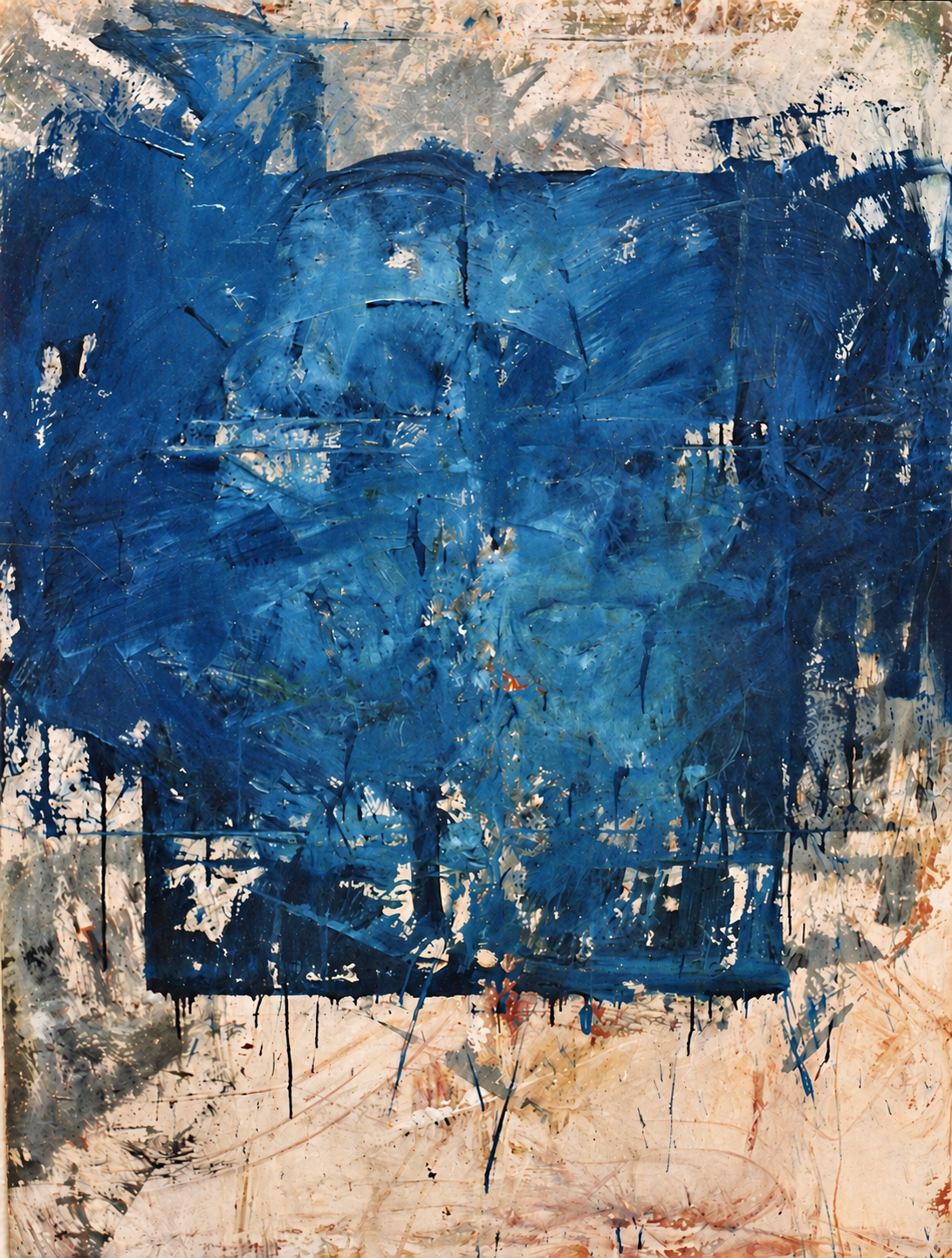
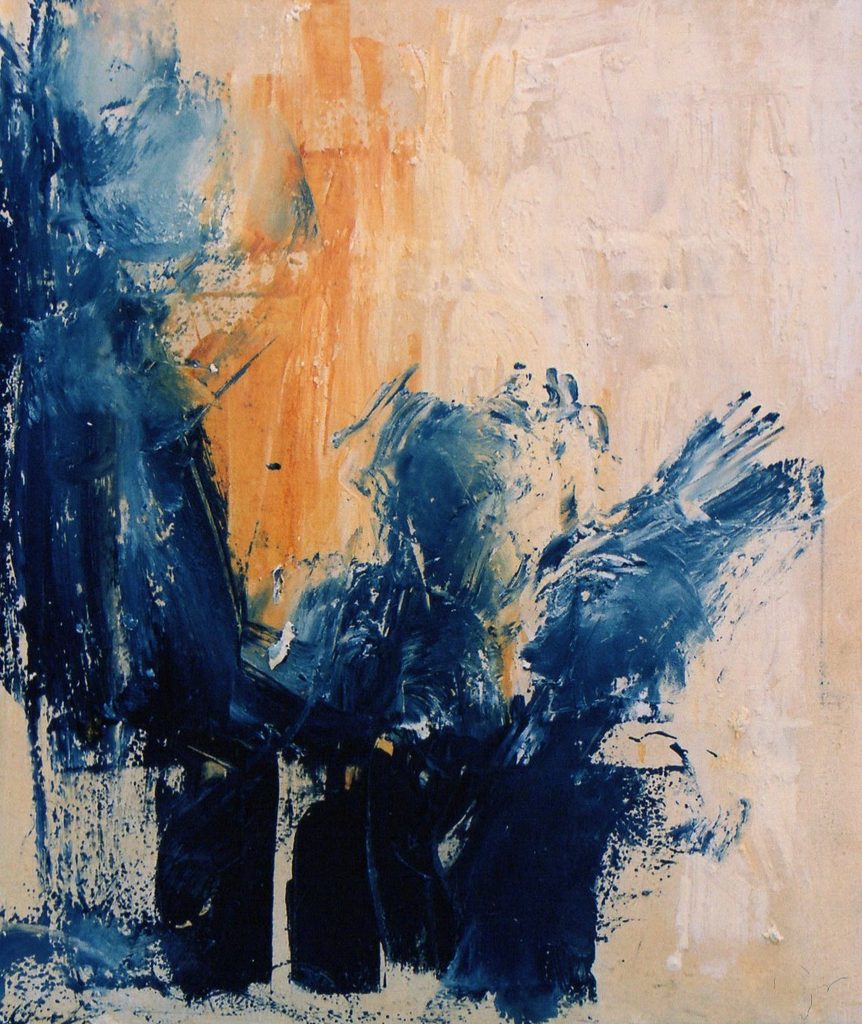
Blue Rectangle. 1994.
Oil on linen · 230 × 175 cm
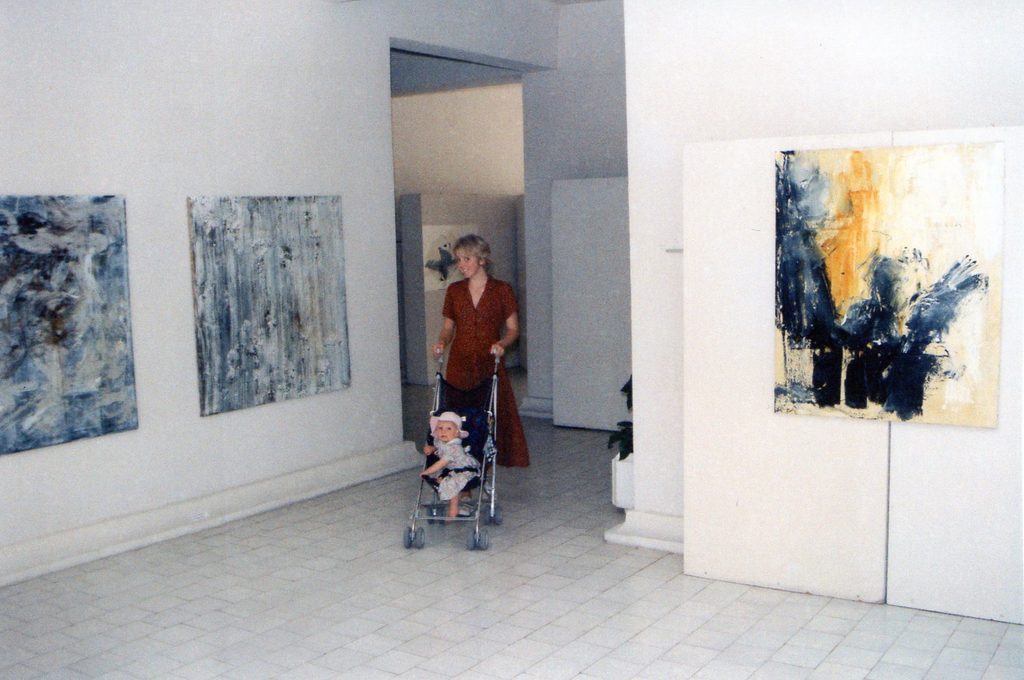
In 1997, Blue Rectangle was exhibited at the Central Exhibition Hall Manege in St. Petersburg, Russia, as part of the international contemporary art exhibition Dialogues.
During my stay, I also created two smaller works using paint and silicone. They were displayed on opposite sides of a staircase in the exhibition hall and subsequently given to Larisa Skobkina and a colleague.
Blue Rectangle was donated to the organising institution and remained in St. Petersburg.
I returned to participate in a later edition of Dialogues, the seventh exhibition, held at the Manege in August 2005.
Collection of Dialogues, St. Petersburg, Russia.
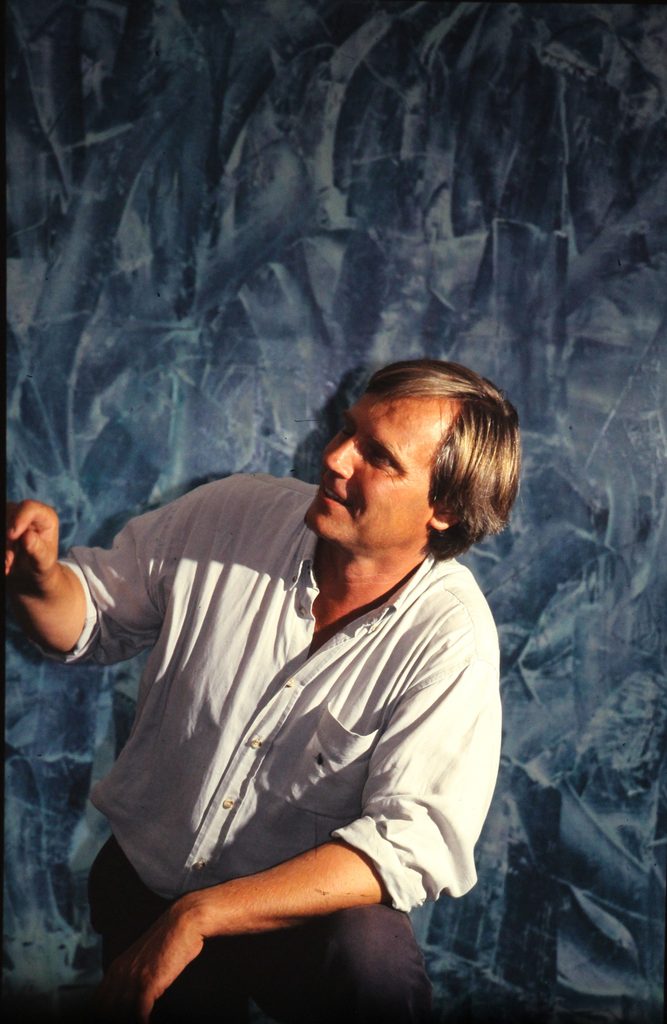
In the Torrox studio with one of the “Gesture” paintings behind. Photo by Peter Grout.
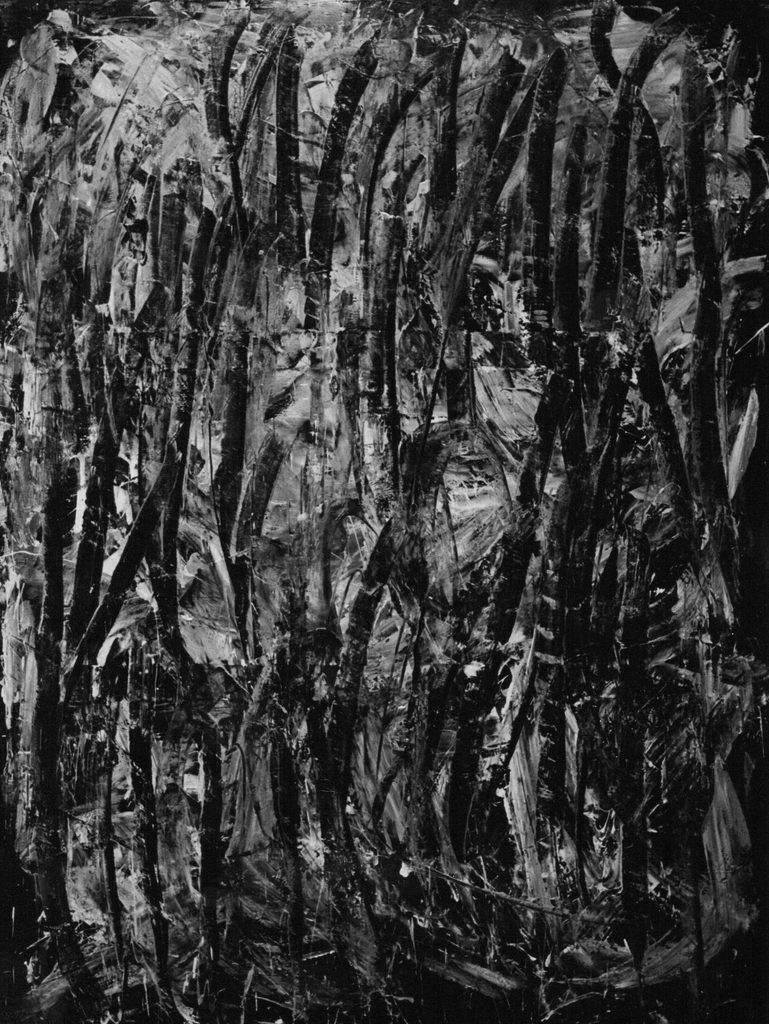
A Gesture II. 1994.
Oil on linen. 230 x 175 cm. Torrox. Exhibitions: Luleå, Sweden, 1996; Triennial Sofia, 1996; Process Space Ruse, 2001 and 2016. Collection. Process Space Foundation, Bulgaria.
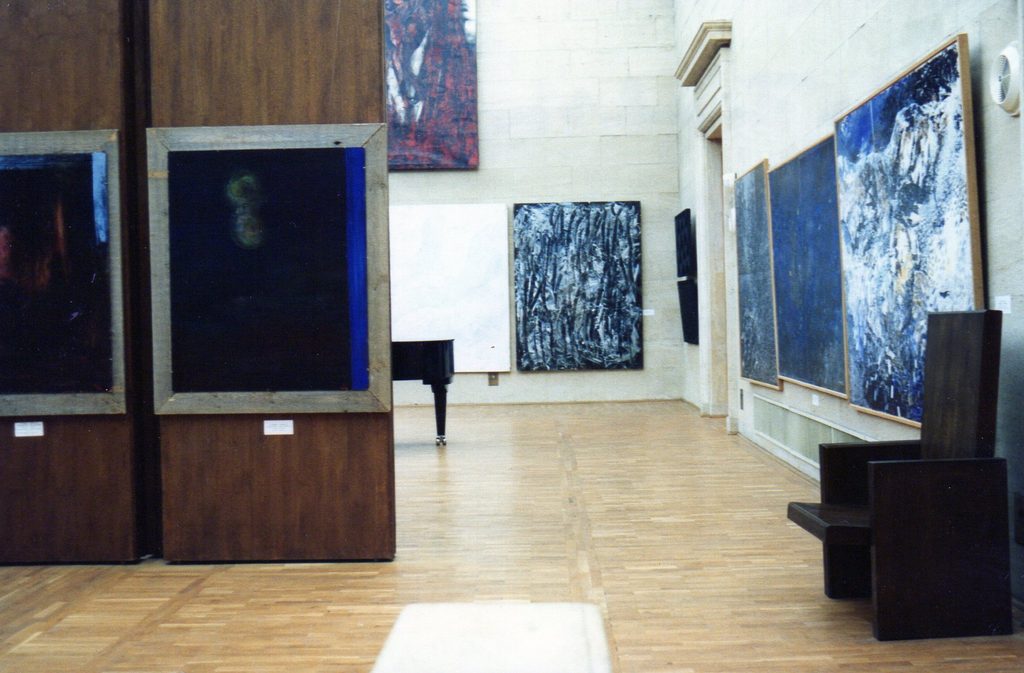
International Triennial of Painting, Sofia, Bulgaria. 1996
Exhibition Hall in The Foundation of Foreign Art.
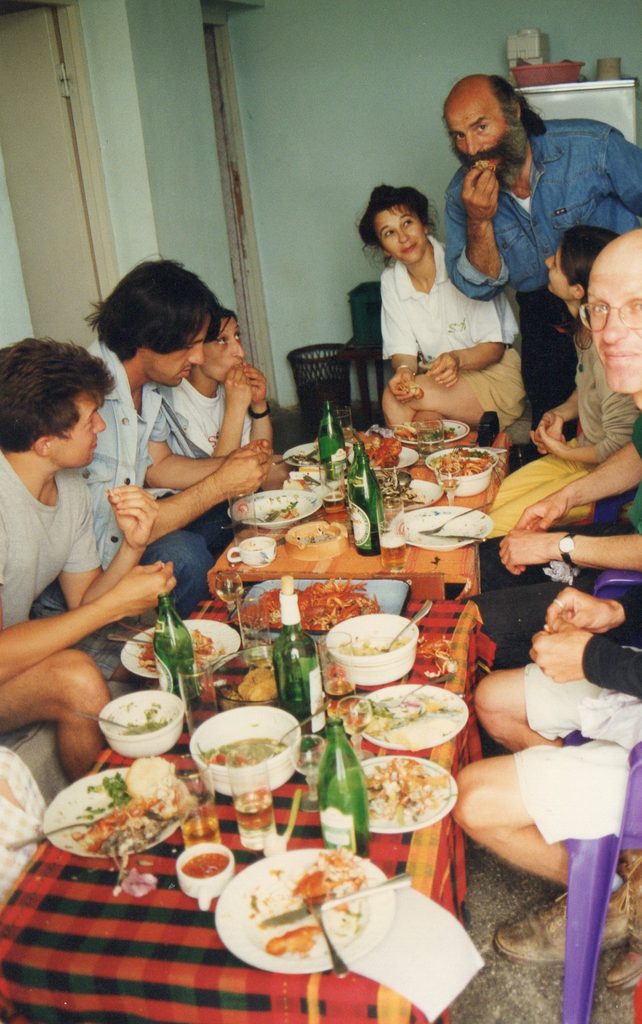
French Art Critic Pierre Restany and Process-Space Art Festival founder Dimitar Grozdanev.
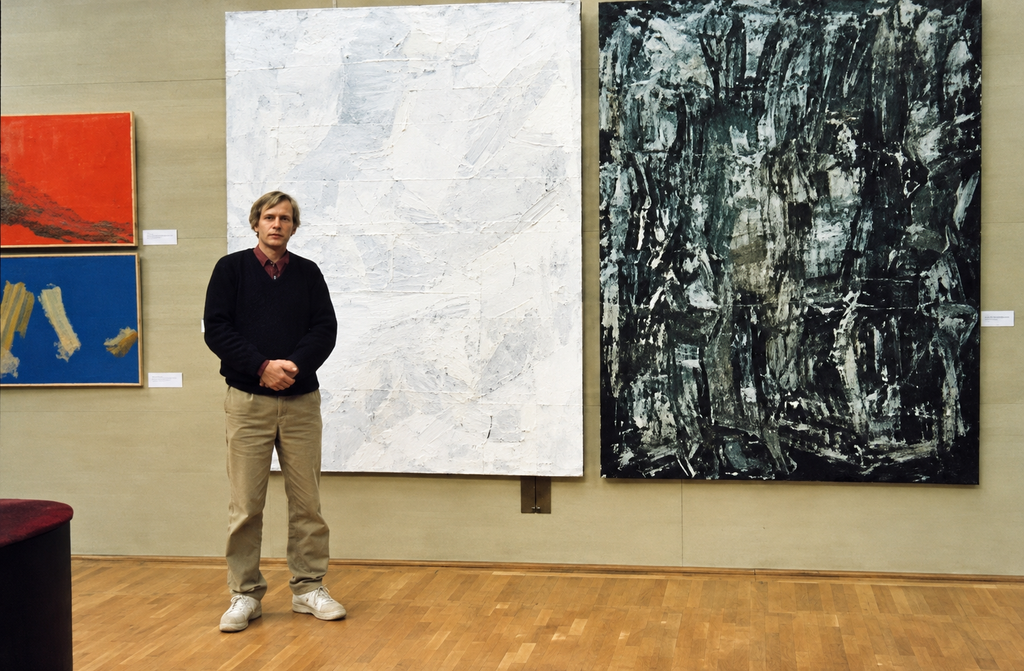
Me and my work.
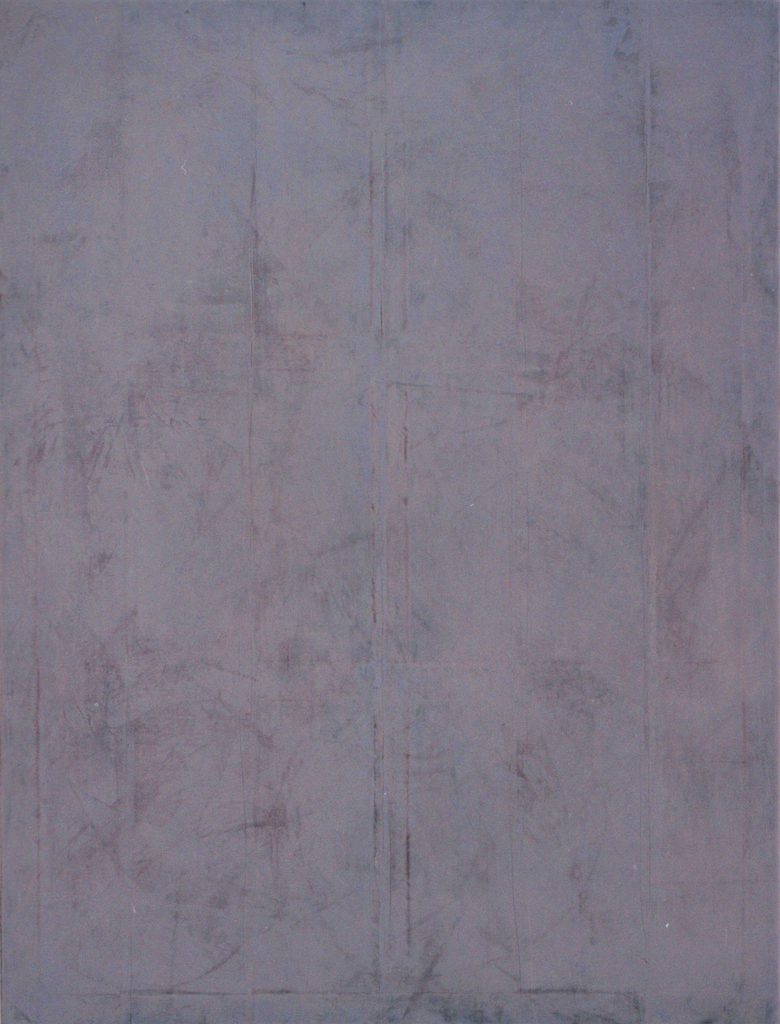
Fragment XIX. 1997-98
Torrox. Oil on linen, 230 x 175 cm. Exhibition: Konstens Hus, Luleå, Sweden, 2000; Frigiliana, Spain, 2003; Summa, Sala Mercado, Nerja, 2005. Cat. Summa. The Art Critic Bertil Sundstrom wrote about the Swedish Exhibition in the newspaper Norr-Bottens Kuriren, held together with sculptor Robert Harding. The painting was destroyed in a fire in Mijas Costa in 2010.
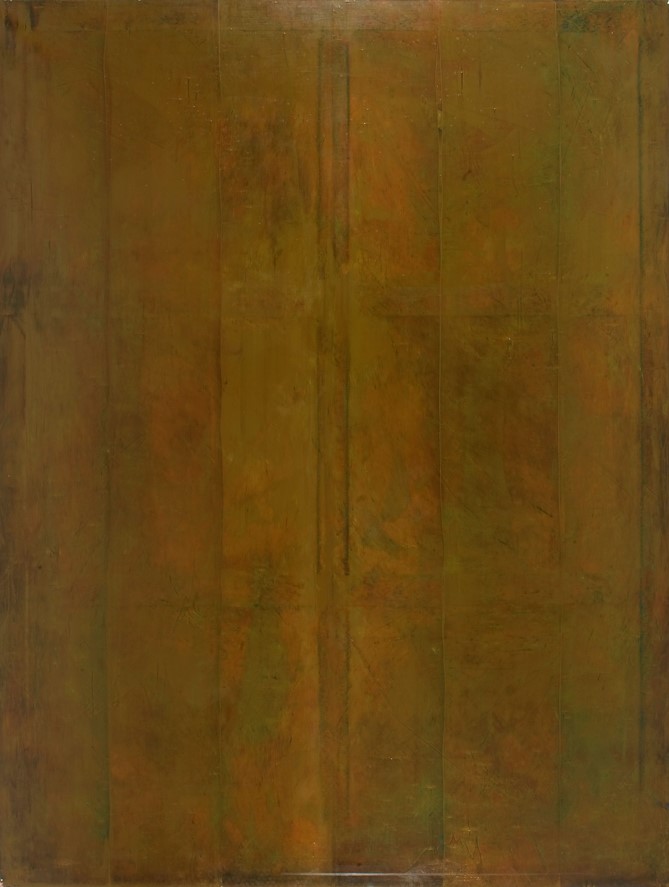
Fragment XXI. 1991
Torrox. Oil on linen. 230 x 175 cm. Exhibitions: Konstens Hus, Luleå, Suecia, 2000; El Apero, Frigiliana, 2003; Sala Mercado, Nerja, 2005. Catalogue, Summa. Destroyed in a fire in 2010.
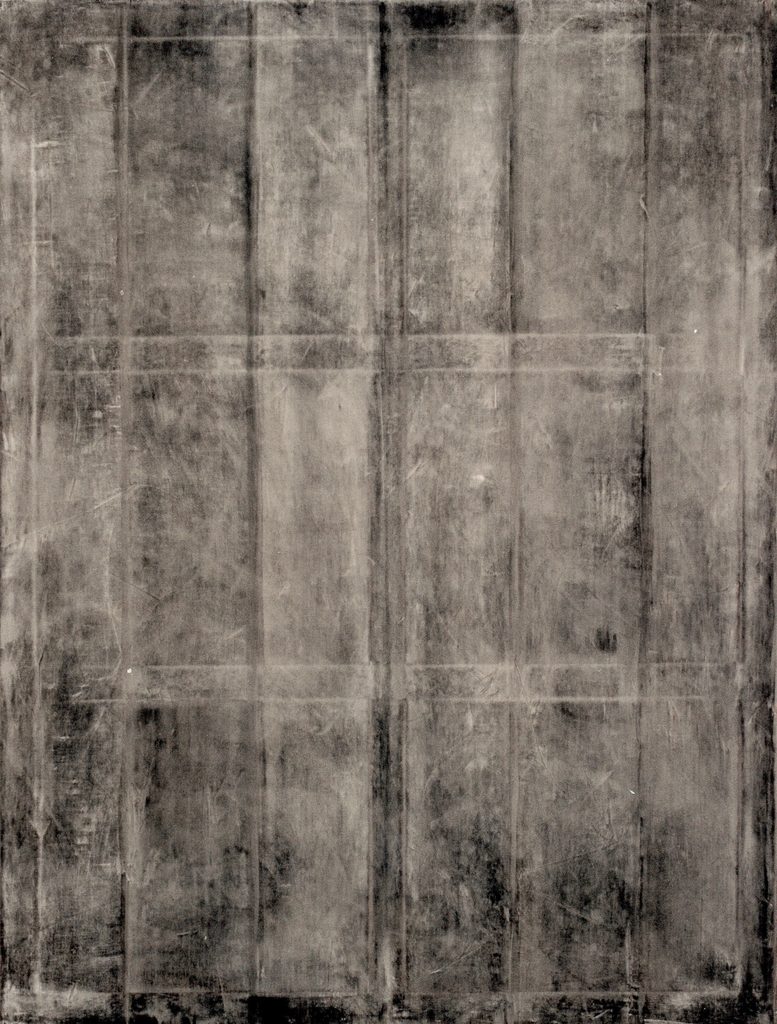
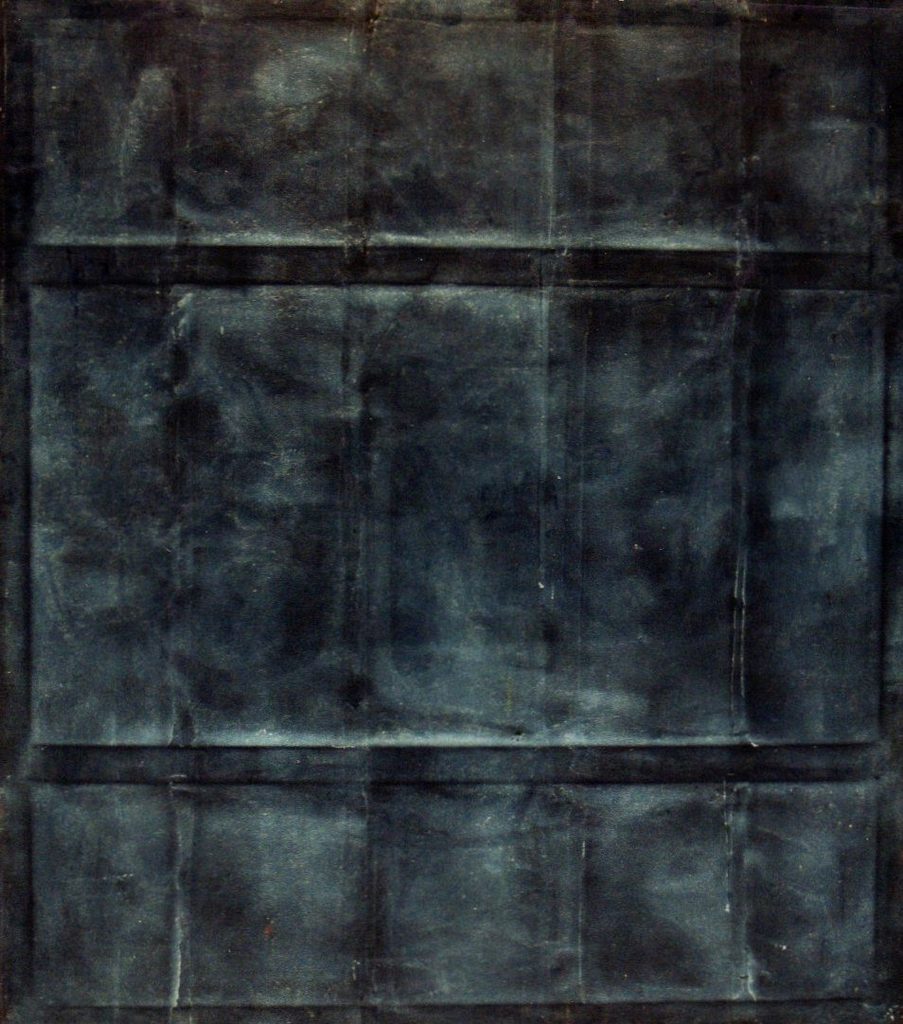
Fragment X. 1996
Torrox. Oil on linen. 230 x 175 cm. Exhibition: Luleå, 2000, Frigiliana, El Apero, 2003, Summa, Nerja, 2005. Catalogue Summa. Art critic Bertil Sundstrom, Norr-Bottens Kuriren. Destroyed in a fire in Mijas Costa in 2010.
The Fragment series developed through a process that combined two very different approaches to painting.
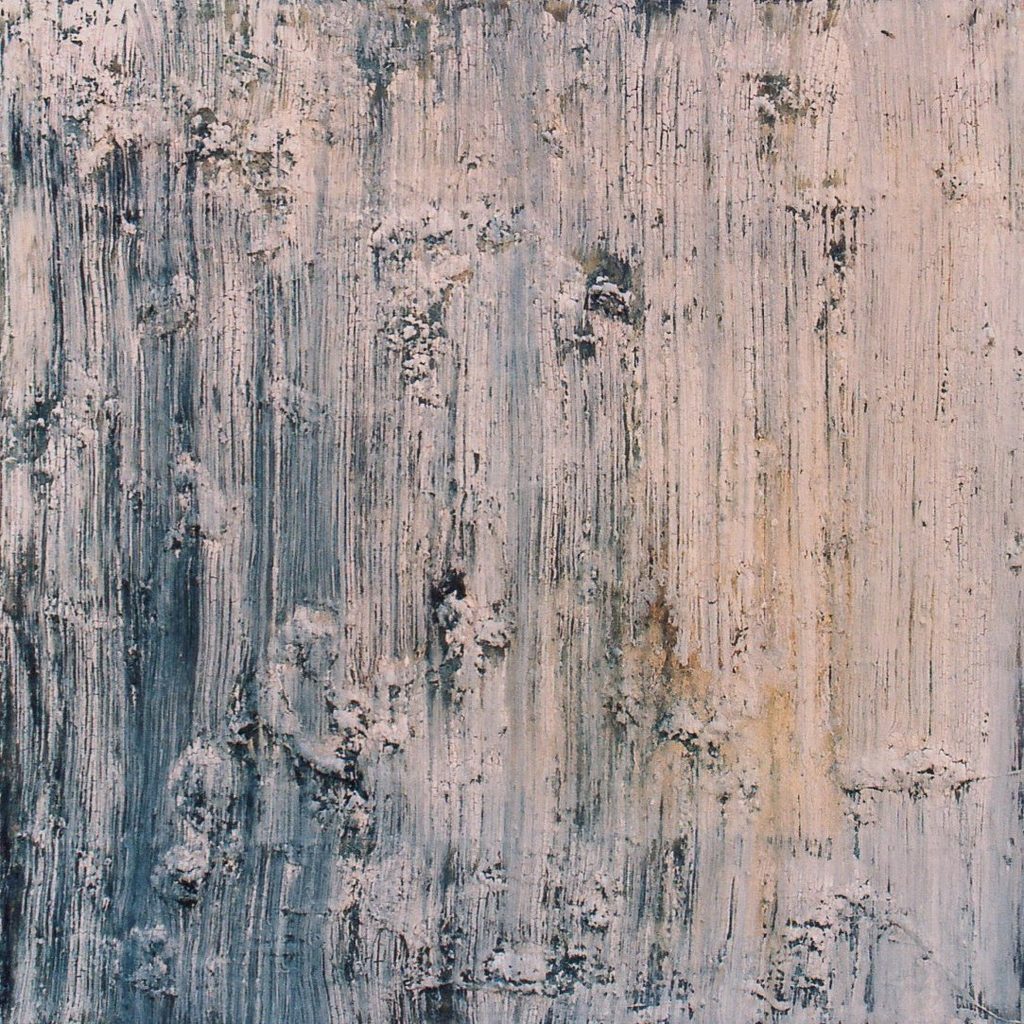
I began with the canvas lying horizontally on the studio floor, dropping and pouring paint onto its surface, much as Jackson Pollock had done. I then raised the canvas onto the wall and dragged a rubber squeegee across it, using a technique reminiscent of Gerhard Richter.
The process was repeated, sometimes with new colours, sometimes simply working the existing layers. Each scraping altered what had come before. Colours mixed, disappeared or unexpectedly reappeared, while traces of earlier interventions remained buried beneath the surface.
The pressure of the squeegee also revealed something I had not initially anticipated. As it passed over the stretched linen, the wooden crossbars behind the canvas left their impressions in the paint. These produced geometric divisions within an otherwise freely developed composition.
Fragment X required almost one hundred repetitions of this procedure before I considered it finished.
There was no preliminary image to work towards. Each intervention changed the painting, sometimes bringing it closer to completion, sometimes destroying what had seemed promising. The difficulty was knowing when to continue and when to stop.
After nearly a hundred scrapings, the painting finally reached a point at which I felt that nothing more should be added or taken away.
It remains one of my favourite paintings from that period.
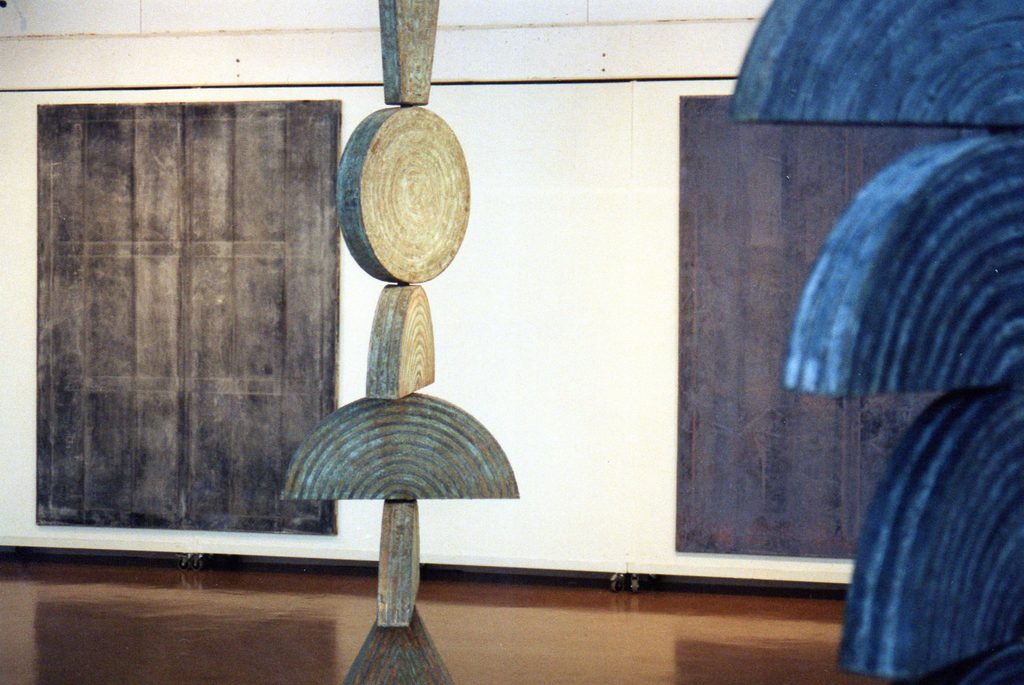
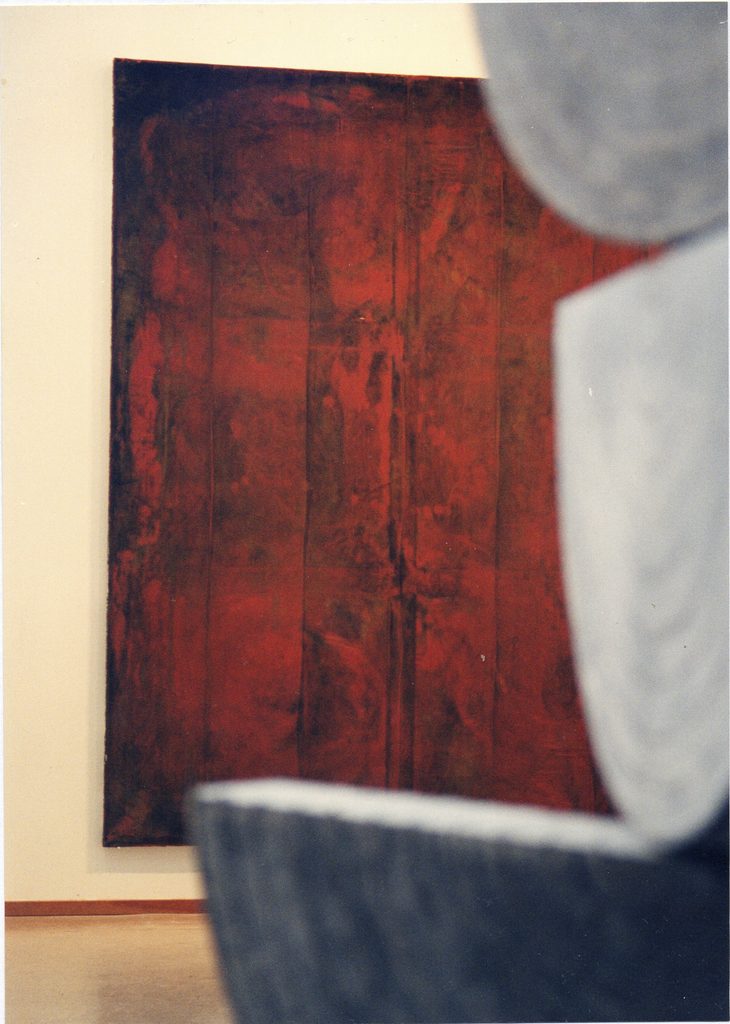
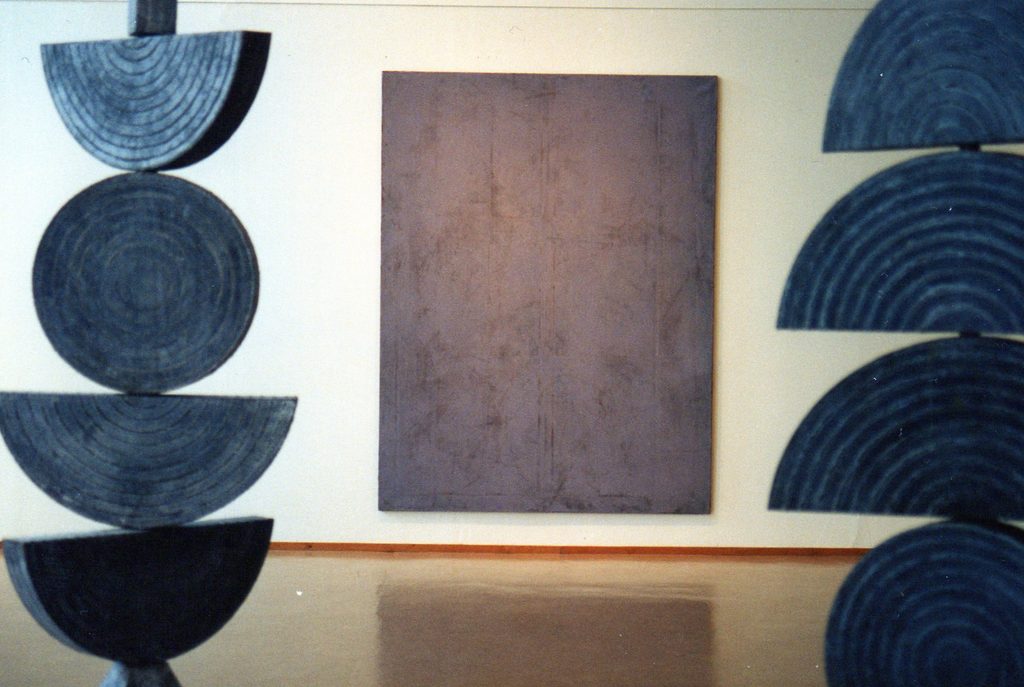
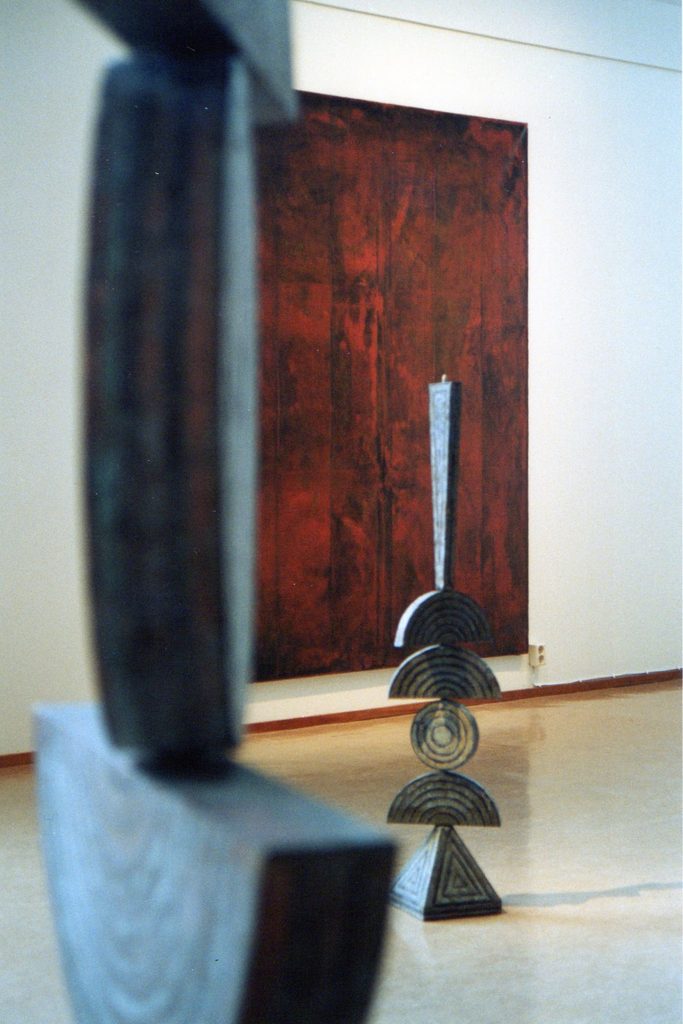
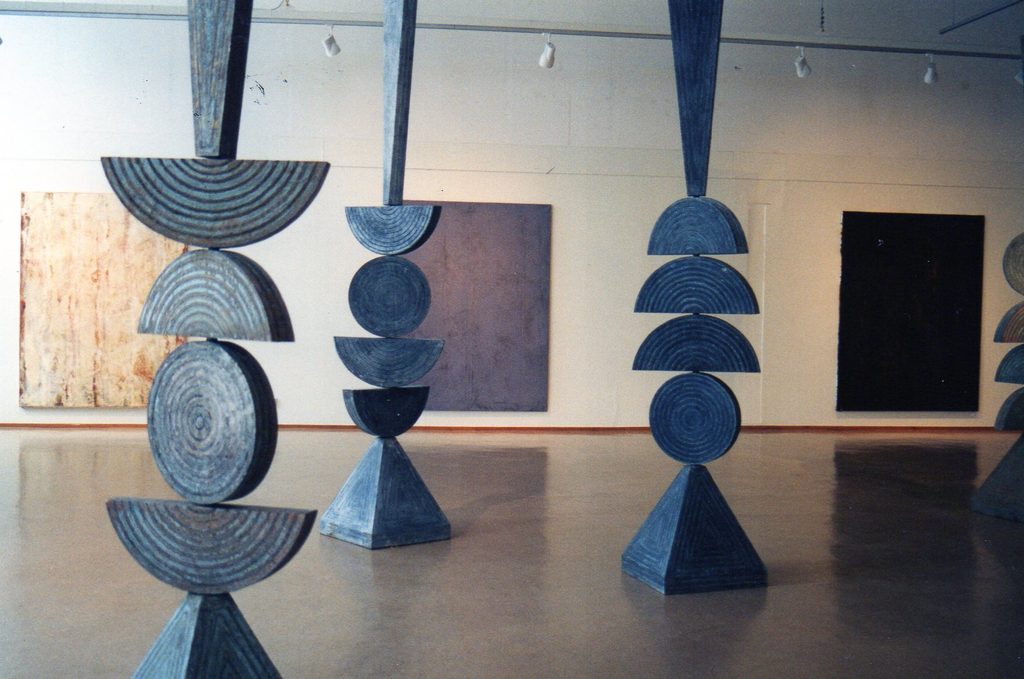
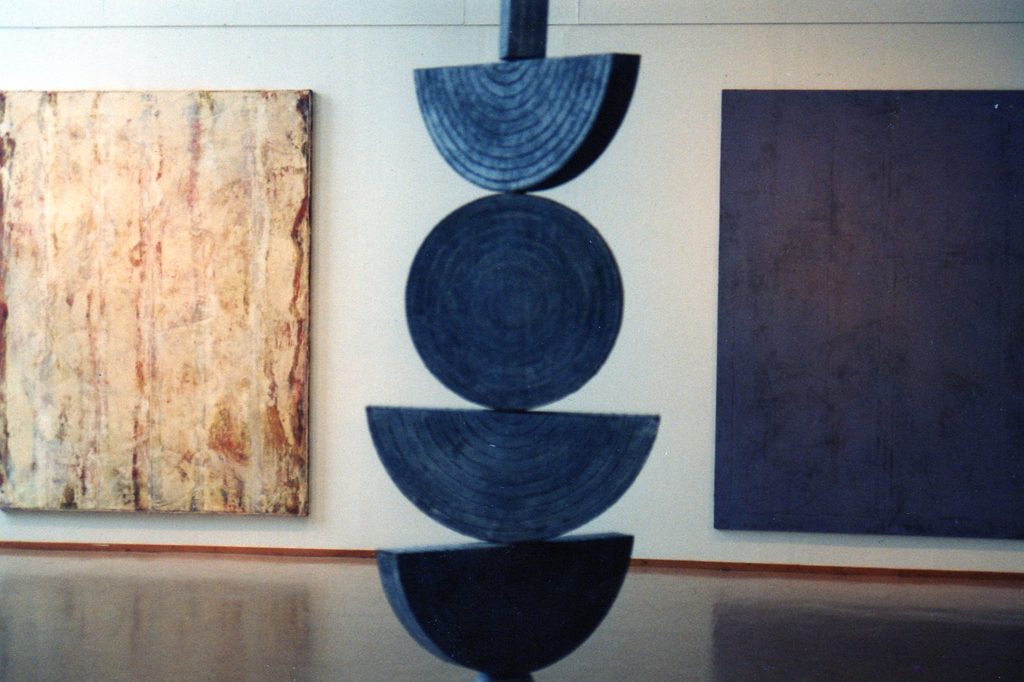
Konstens Hus, Luleå, Sweden. 2000
Exhibition held together with sculptor friend Robert Harding.
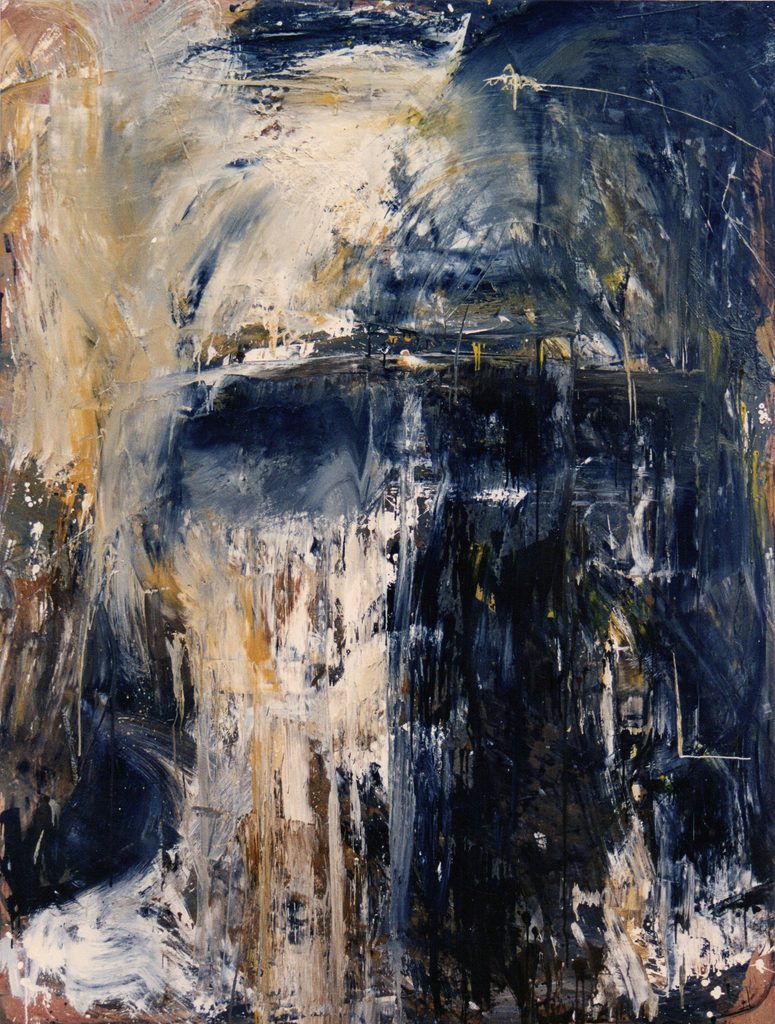
Self-Portrait. 1999
Torrox. Oil on linen. 230 x 175 cm. Exhibition: Sala Mercado, Nerja, 2005. Catalogo Summa. Destroyed in a fire in Mijas Costa in 2010.
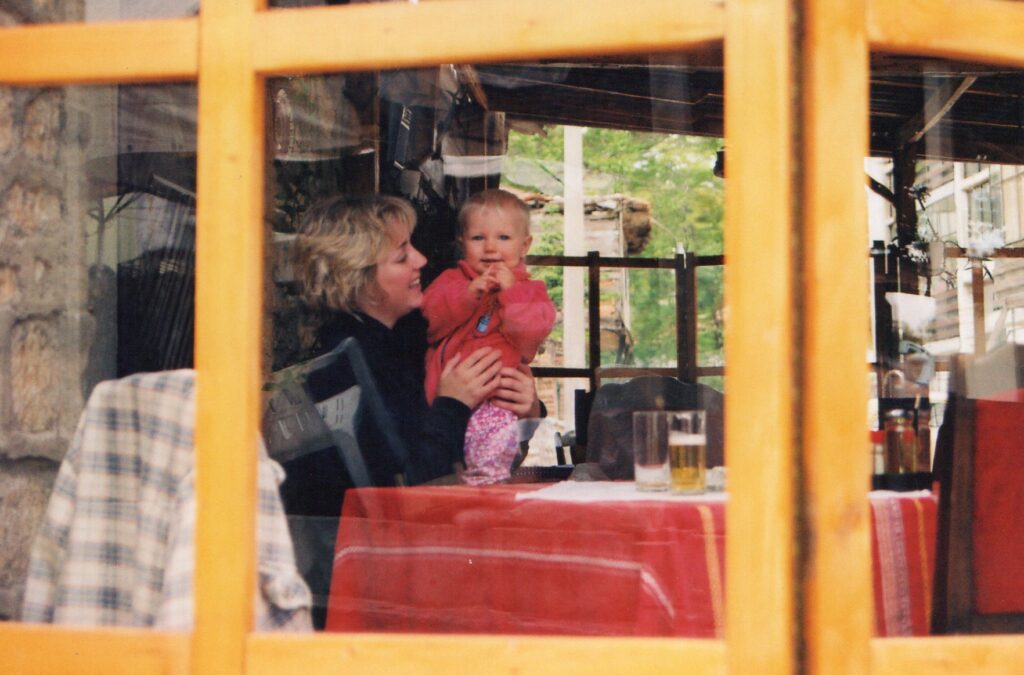
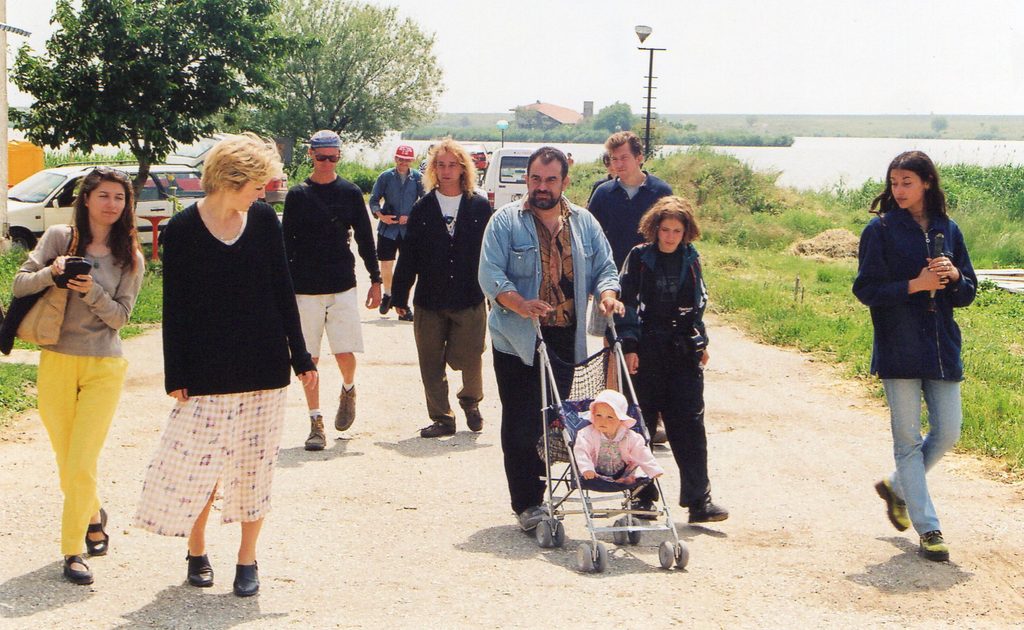
Balchik, Bulgaria. 1997
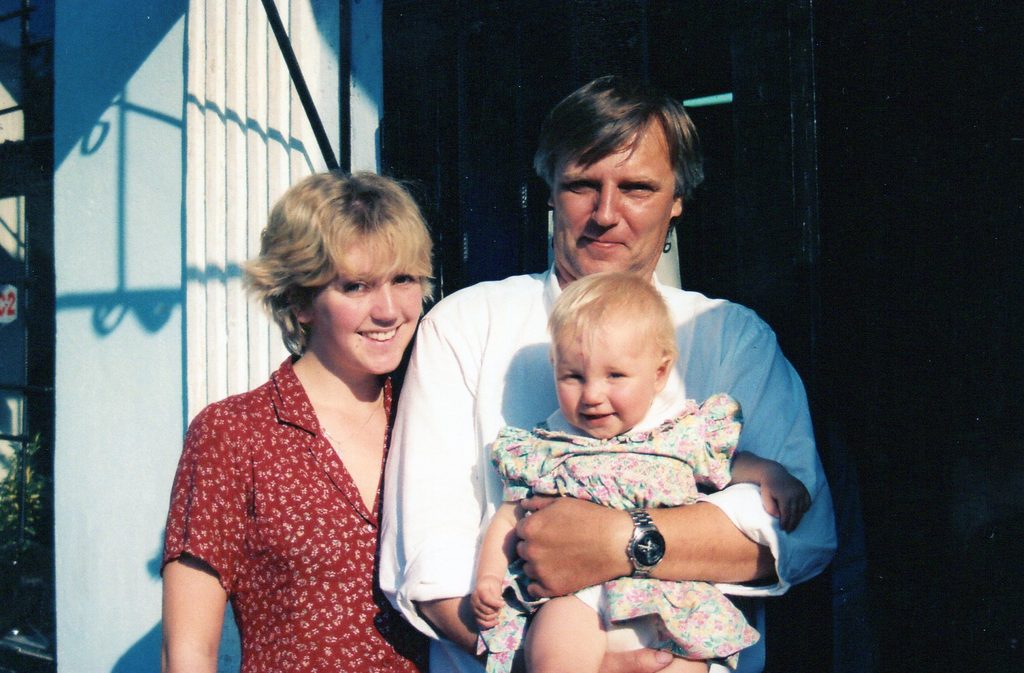
With Sarah, pregnant with Sophie, and Hannah at the Process Space Festival in Balchik, Bulgaria.
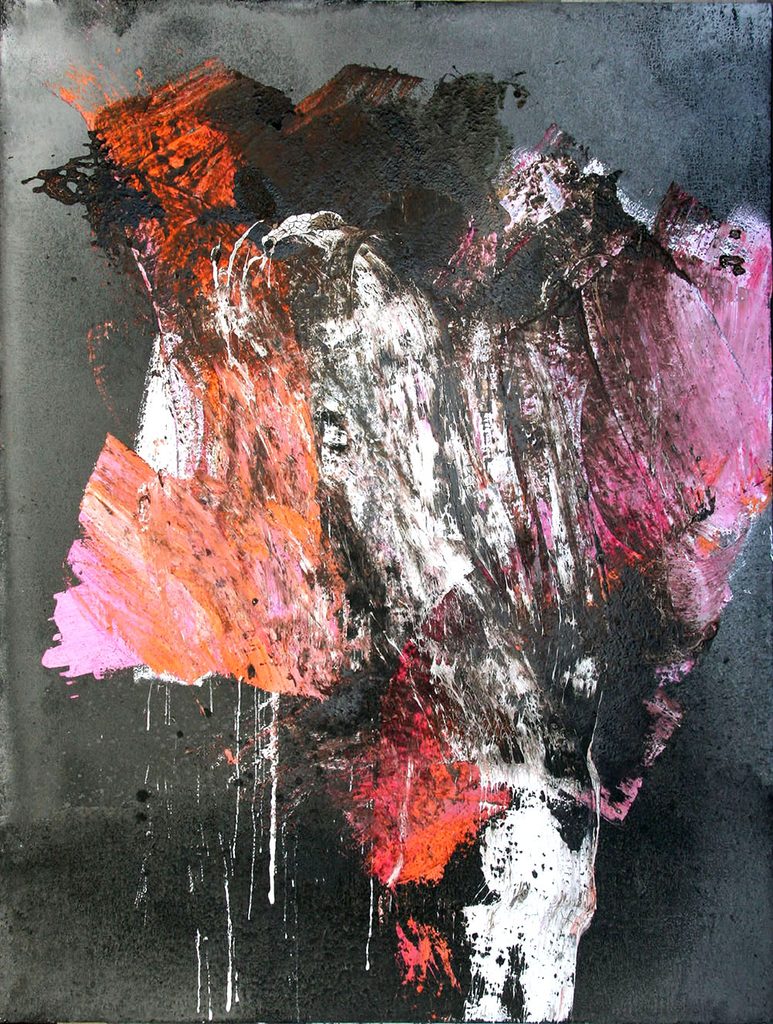
Floor de Buena Fe. 1999.
Torrox. 230 x 175 cm. Oil on linen. This work was painted with the canvas on the floor, and a squeegee attached to a long wooden pole. By pushing and pulling the squeegee across the surface, I could move large quantities of paint in broad, sweeping gestures, using the movement of my whole body rather than just my hand. Private collection, Madrid.
2000s
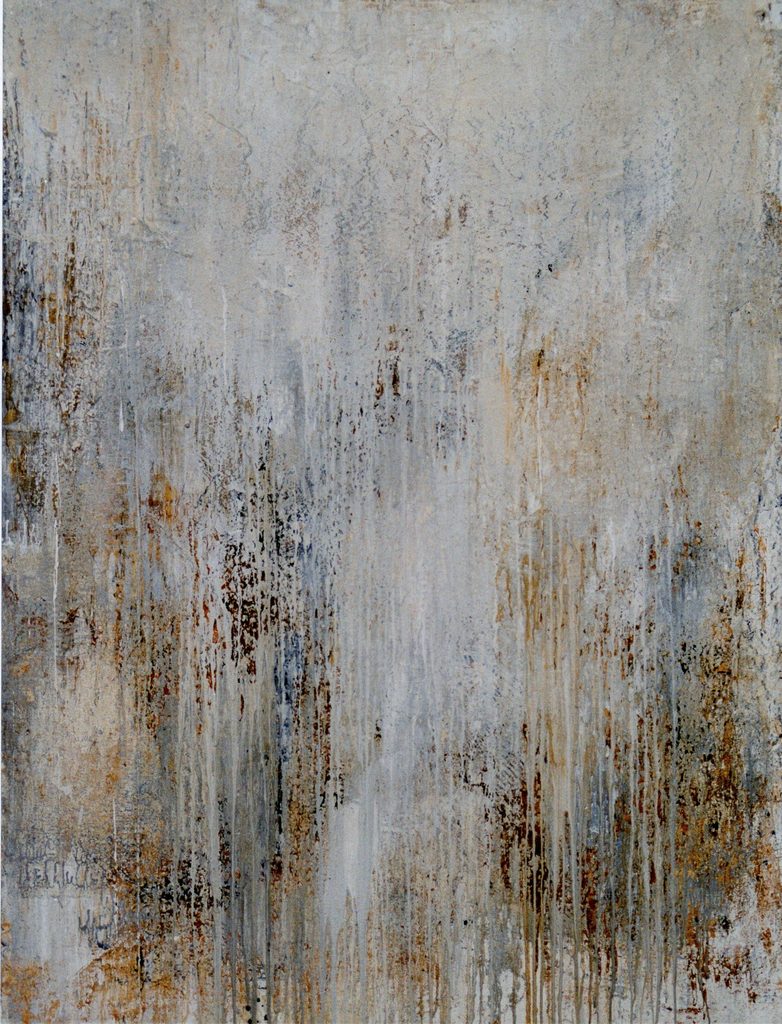
Bach Sonata. 2001
Torrox.Varnish and house paint sobre lino, 230 x 175 cm. Exhibition: El Apero, Frigiliana 2003, Sala Mercado Nerja 2005. Catalogue Summa. Destroyed in a fire in Mijas Costa, 2010
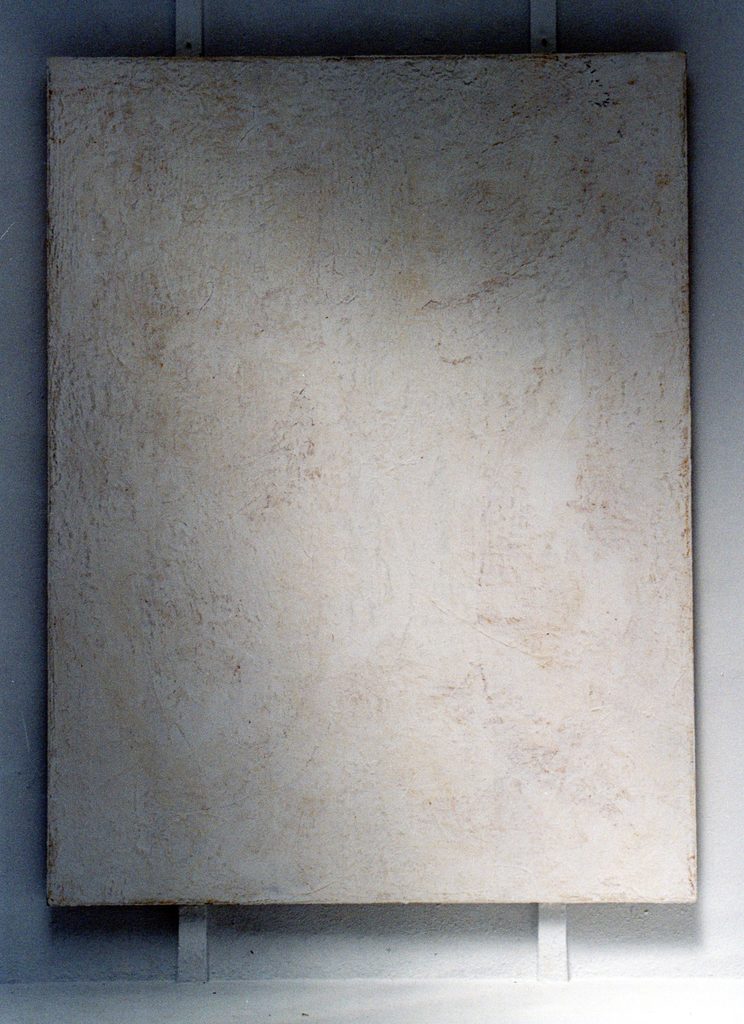
Lorena. 2001
Torrox. Varnish and house paint. 230 x 175 cm. Exhibition: El Apero Frigiliana 2003, Sala Mercado Nerja 2005. Catalogue Summa. Destroyed Mijas Costa, 2010.
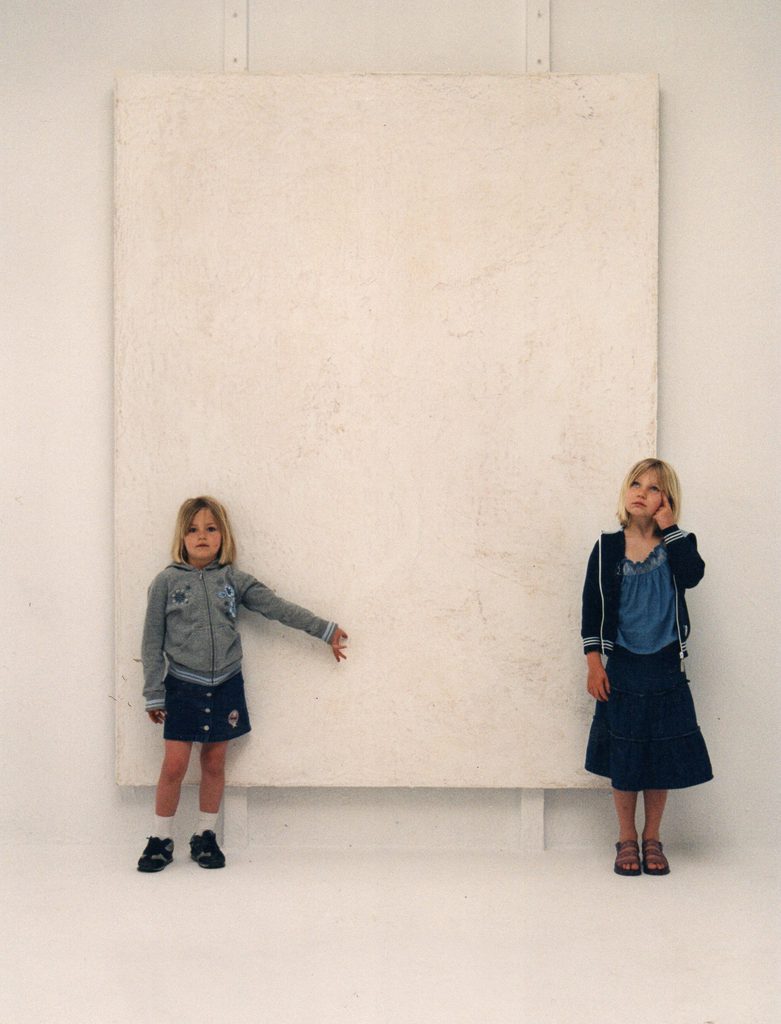
Sophie and Hannah with “Lorena” in the Torrox studio, 2001.
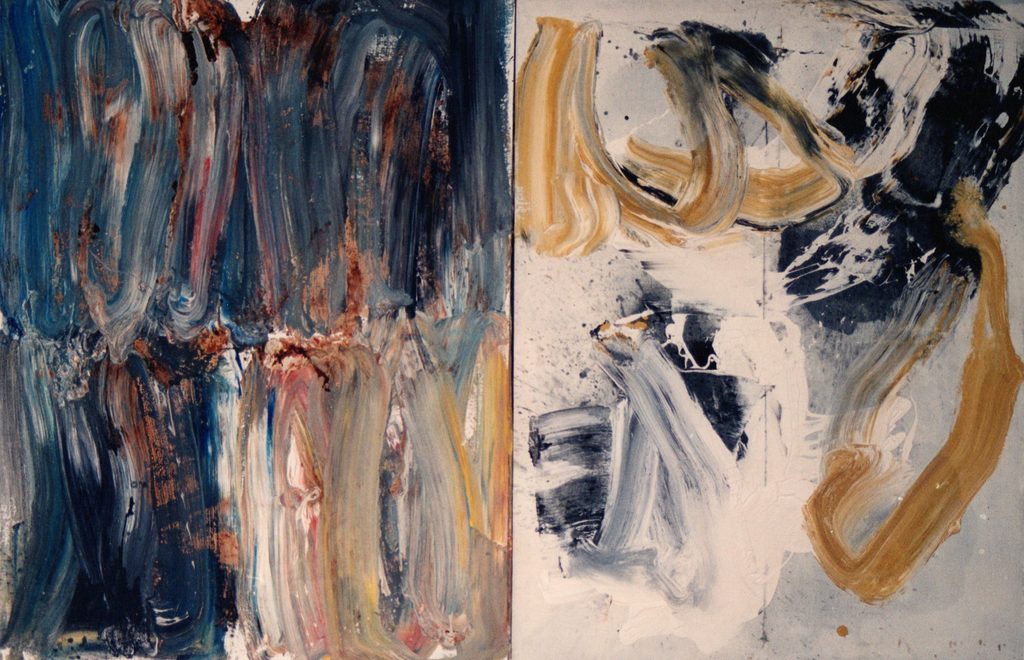
Ruse. (Diptych)2001
Process Space Festival, Ruse, Bulgaria. 230 x 350 cm. Mixed Technique on linen. Collection Process Space Foundation.
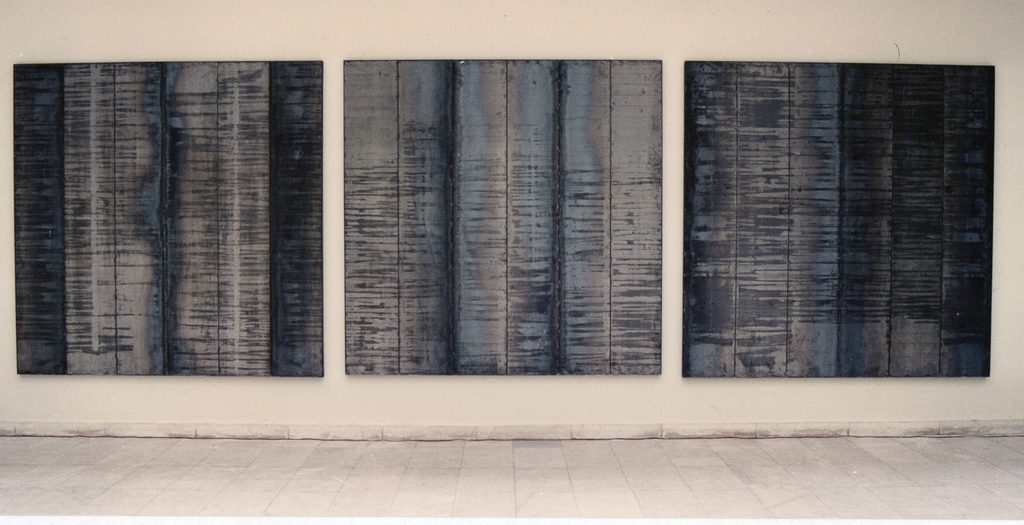
Ruse. /Triptych) 2001
Welded Steel. Process Space Festival.
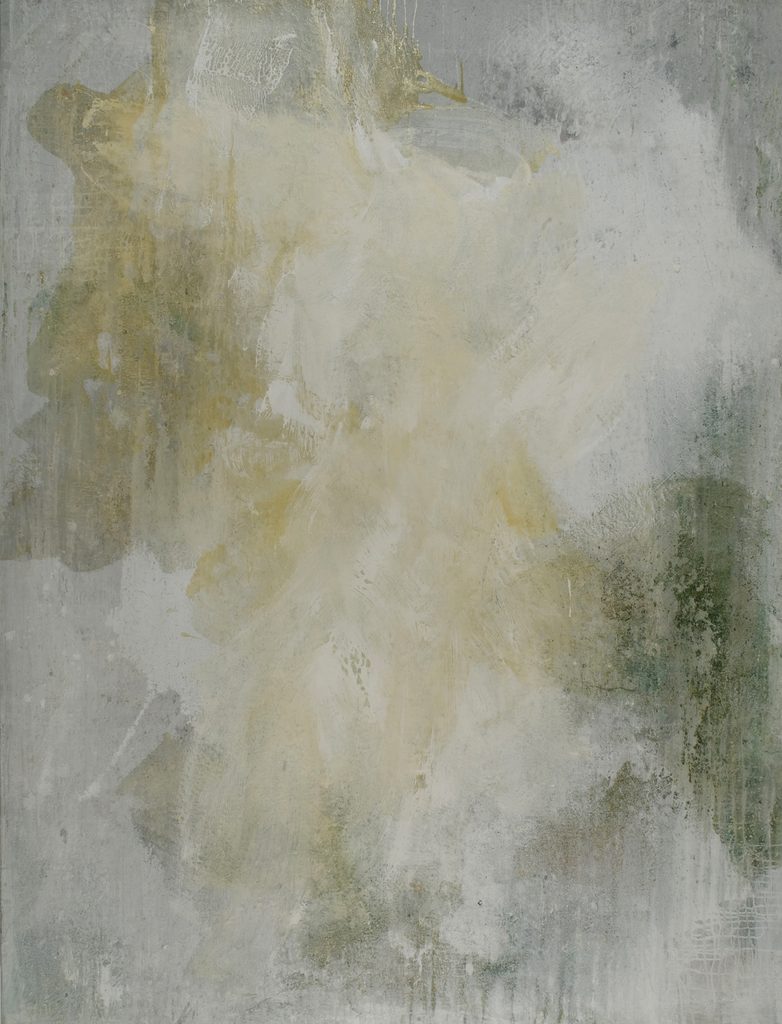
Chloe. 2003
Torrox. 230 x 175 cm. Mixed technique.
A friend once gave me a copy of Daphnis and Chloe, the ancient Greek pastoral romance by Longus.
Her father, a well-known art collector, had given her a piece of advice:
“You must read this book twice a year, so as not to go crazy.”
I have never forgotten those words.
The book subsequently inspired this large painting, Chloë, completed in my studio in Torrox in 2003.
Collection of Oscar Trygg, Sweden.
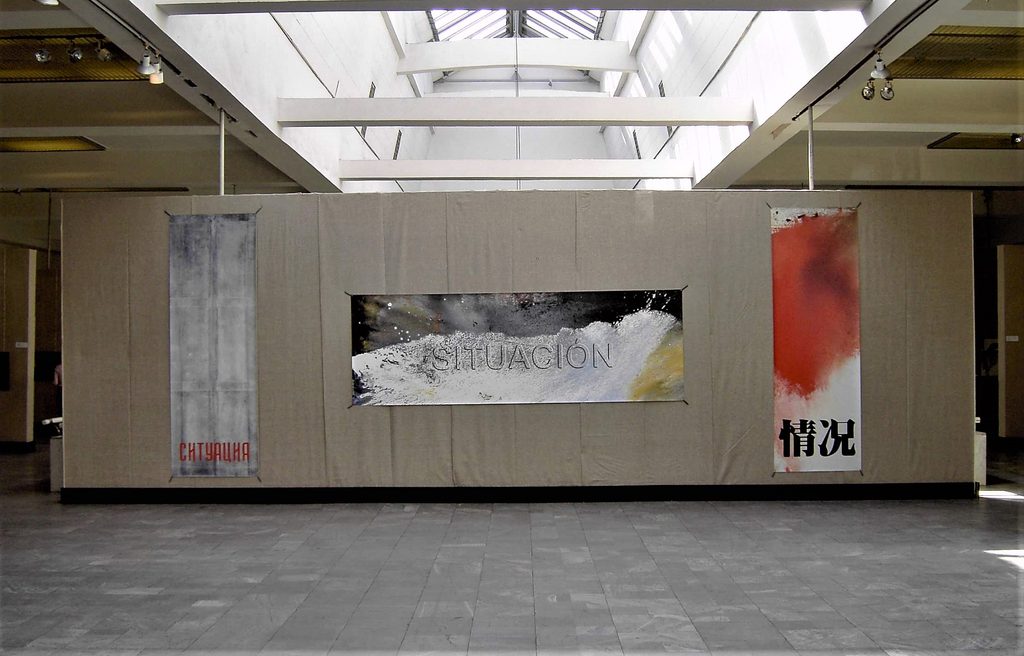
Situación. 2005
Large-format digital printing on canvas. Three-part installation.
In 2005, I was working in my studio in the countryside, with my two young daughters nearby, when I suddenly began vomiting blood.
My first concern was that the children should not see what was happening. I hastily cleaned myself up, got into the car and drove down to the coast, to our family house, where the children could be looked after.
I was taken to the hospital in Vélez-Málaga and admitted to intensive care.
I remember a nurse holding me as I continued to vomit blood. She asked whether this had ever happened to me before. I found the question absurd, but even then understood that she was probably trying to distract me.
I survived the haemorrhage, but my health remained precarious. Two years later, in 2007, I would undergo a liver transplant.
During this period, I had been invited to participate in the seventh edition of Dialogues, an international exhibition of contemporary art held at the Central Exhibition Hall Manege in St. Petersburg, Russia.
Travelling was out of the question, but I wanted to participate.
With the assistance of a professional printer, I produced Situación, an installation consisting of three large canvas hangings, printed digitally on a wide-format machine.
Each carried the same word in a different language: Russian, Spanish and Chinese.
The backgrounds were taken from my own paintings. Their colours reflected my personal associations with the different continents represented by the languages.
The three hangings were sent to St Petersburg and installed together on the upper floor of the Manege, beneath its great glass roof.
I never saw the installation in person. My knowledge of how it appeared in that enormous exhibition hall comes from the photographs taken there.
After the exhibition, Situación was donated to the Museum of Modern Art in Moscow.
Looking back, I find something curious about the title. Situación was conceived during a period when my own situation had become profoundly uncertain. Yet the work itself was not intended as a reflection on my illness.
It belonged to a much wider world, one that I was temporarily unable to enter physically, but could still participate in through my work.
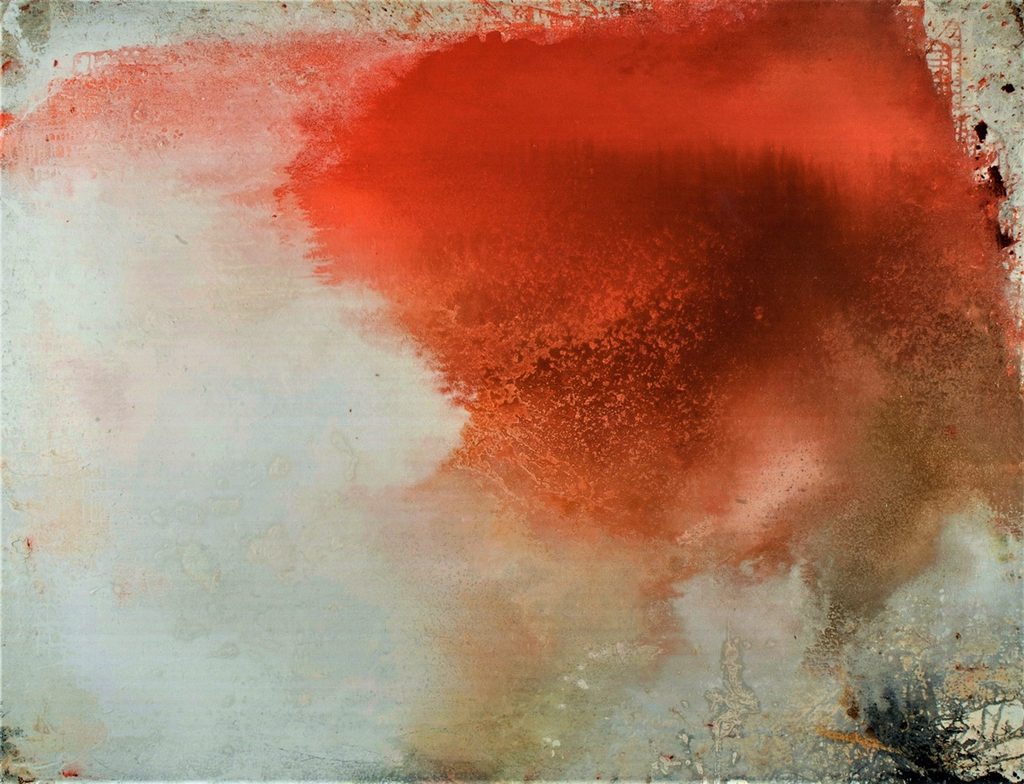
Pearls at Dawn. 2004-05
Torrox. Técnica Mixta. 175 x 230 cm. Destruido fuego Mijas Costa 2010. Exhibition: Galería Krabbe, Frigiliana, 2005, Sala Mercado Nerja 2005. Catalogue Summa. Destroyed Mijas Costa 2010.
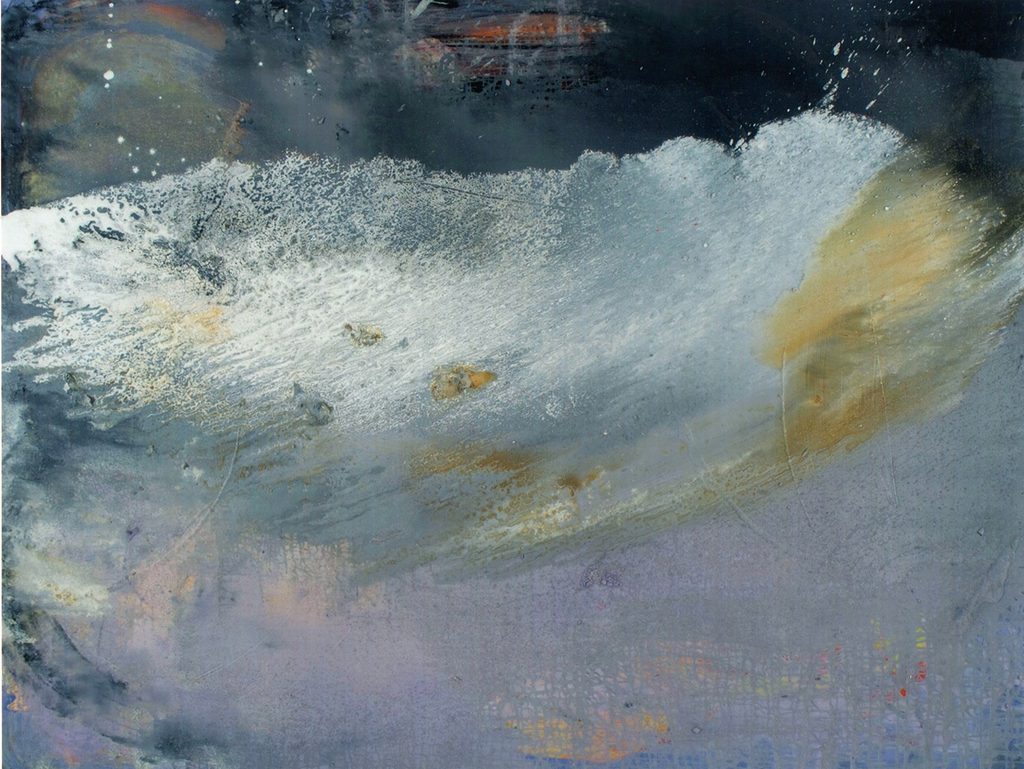
El Mar. 2005
Torrox. Técnica Mixta. 175 x 230 cm. Exhibition: Galería Krabbe 2005, Sala Mercado Nerja 2005. Catalogue Summa, Destroyed Mijas Costa 2010.
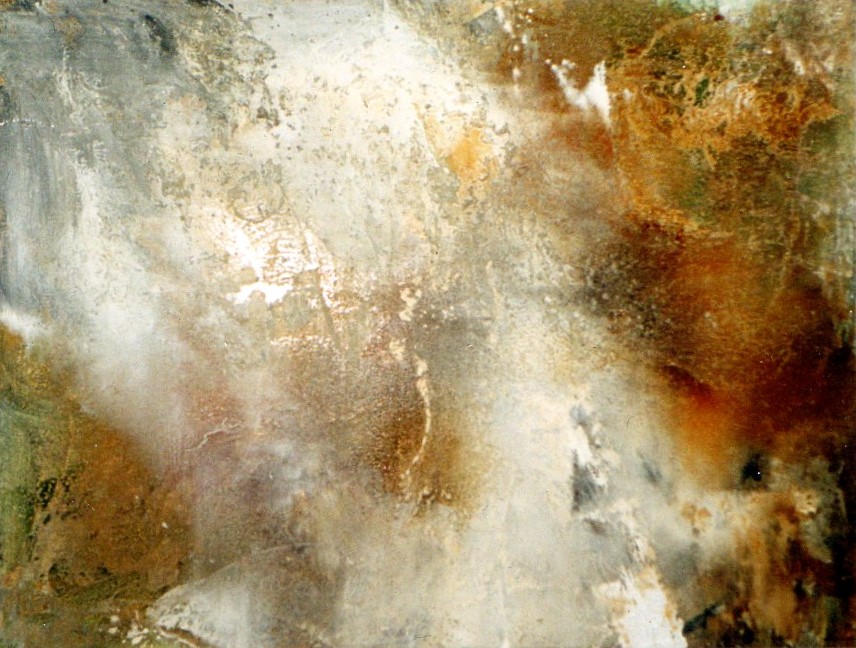
2005
Torrox. Técnica Mixta. 175 x 230 cm. Expo. Summa,Sala Mercado, Nerja 2005. Destroyed in the fire in Mijas Costa, 2010.
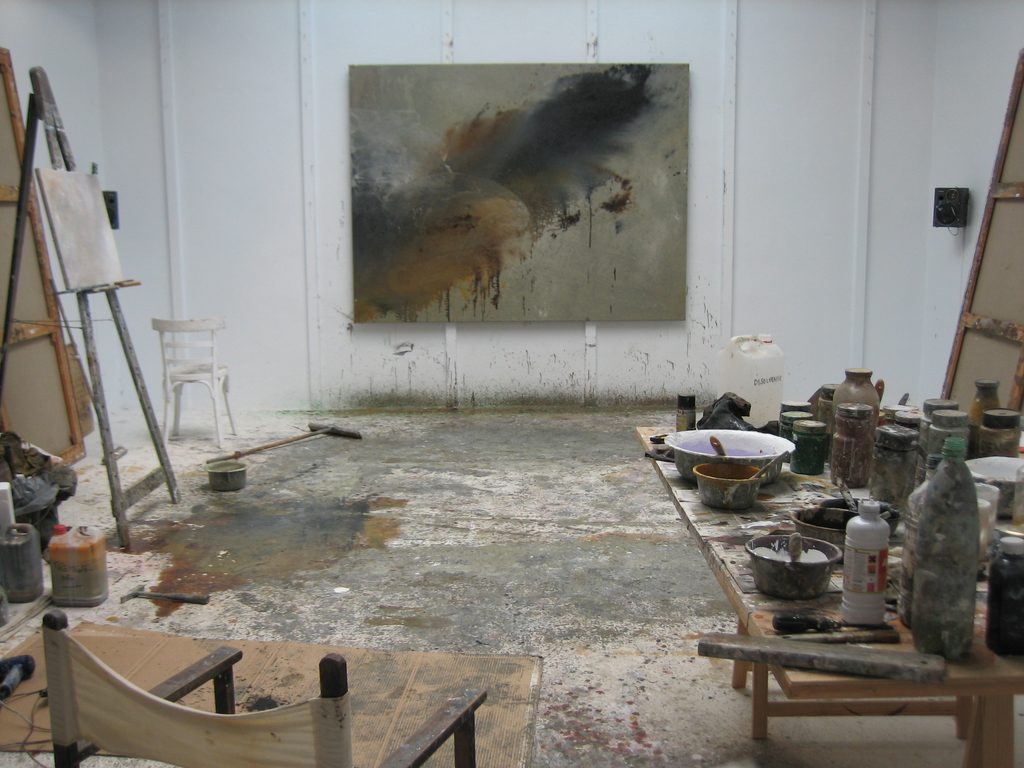
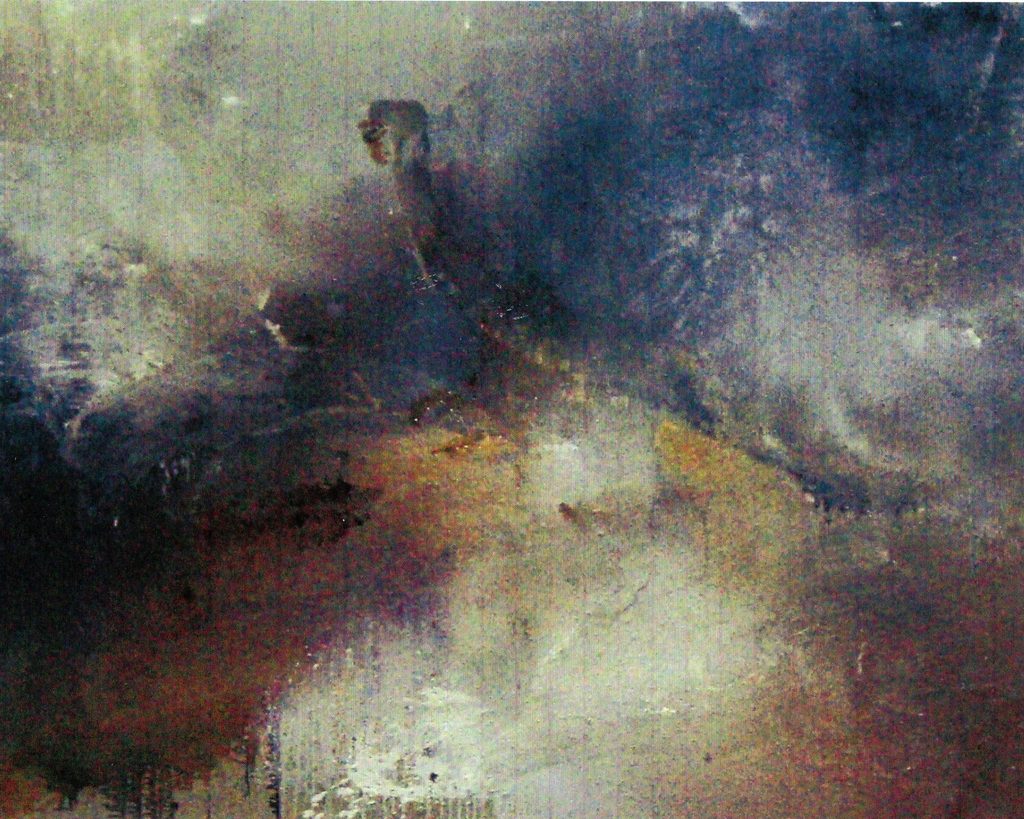
The last painting in the Torrox studio. 2009
Destroyed in the Mijas Costa fire.
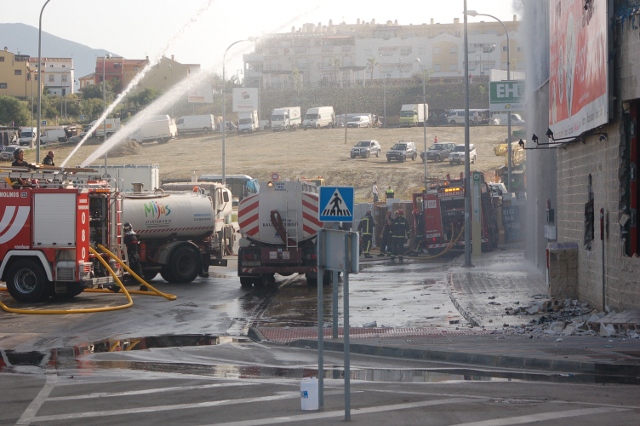
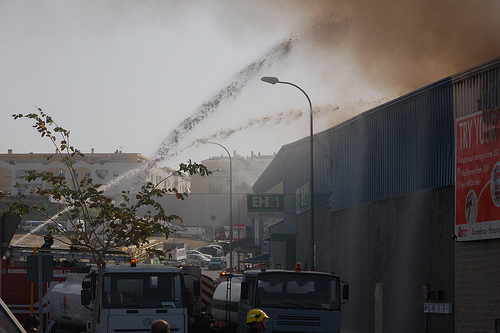
City Self Storage fire, Mijas Costa, 2010
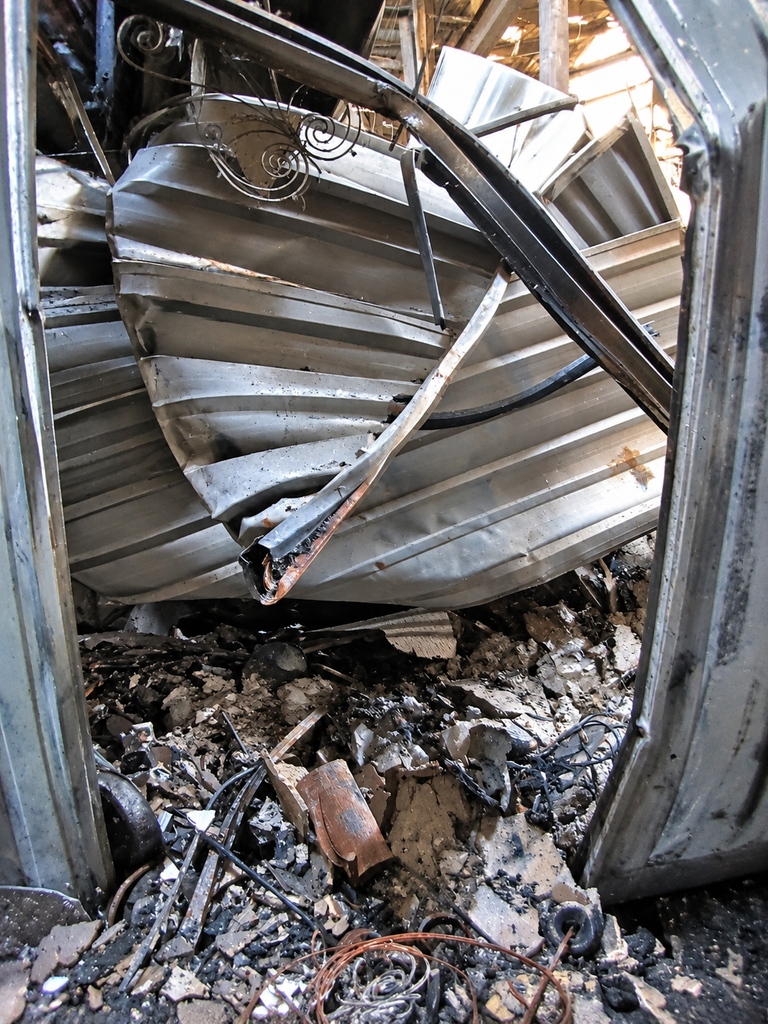
Trastero 1276, City Self Storage. 2010
The years following my liver transplant in 2007 were difficult.
Although the operation had saved my life, hepatitis C remained in my blood. The powerful medication I was taking in an attempt to eliminate the virus took its toll, and I found myself entering an increasingly negative spiral.
My girlfriend had left some years earlier, taking our children with her. My health had deteriorated, and I was finding it increasingly difficult to maintain the life I had built around my work.
Eventually, I decided to sell my studio.
On 14 May 2010, I moved the contents of three vans into Trastero 1276 at City Self Storage in Mijas Costa. There were paintings, drawings, etchings and materials accumulated over many years.
Nine days later, on 23 May, I signed the contract for the sale of my studio.
That same day, a fire broke out at the storage facility.
Everything I had placed there was destroyed.
I had lost my health, my family life had fallen apart, and now I had lost my studio and much of the work that represented my life as an artist.
It was more than the loss of possessions.
I felt I had lost my identity.